The Best Time to Trek in Nepal, Month by Month
Anos Tamang
Founder and trekking guide, Shamar Treks
The short answer everyone gives is October and November. It is correct and it is not very useful, because it describes one region's peak season as if it were the whole country. Nepal runs from 60 m in the Terai to 8,848 m, and it has regions that are at their best in July.
Here is what each month actually offers.
The two main seasons, and why they differ
| Autumn (late Sep – Nov) | Spring (Mar – May) | |
|---|---|---|
| Air clarity | Best of the year — monsoon has washed out the haze | Hazier, improving with altitude |
| Temperature | Colder, dropping through the season | Warmer, rising through the season |
| Flowers | None | Rhododendron through the forest belt |
| Crowds | Heaviest of the year | Busy, but less so |
| High passes | Generally open | Can hold snow into April |
| Best for | Views and photography | Warmth, forests, climbing season |
Month by month
January and February
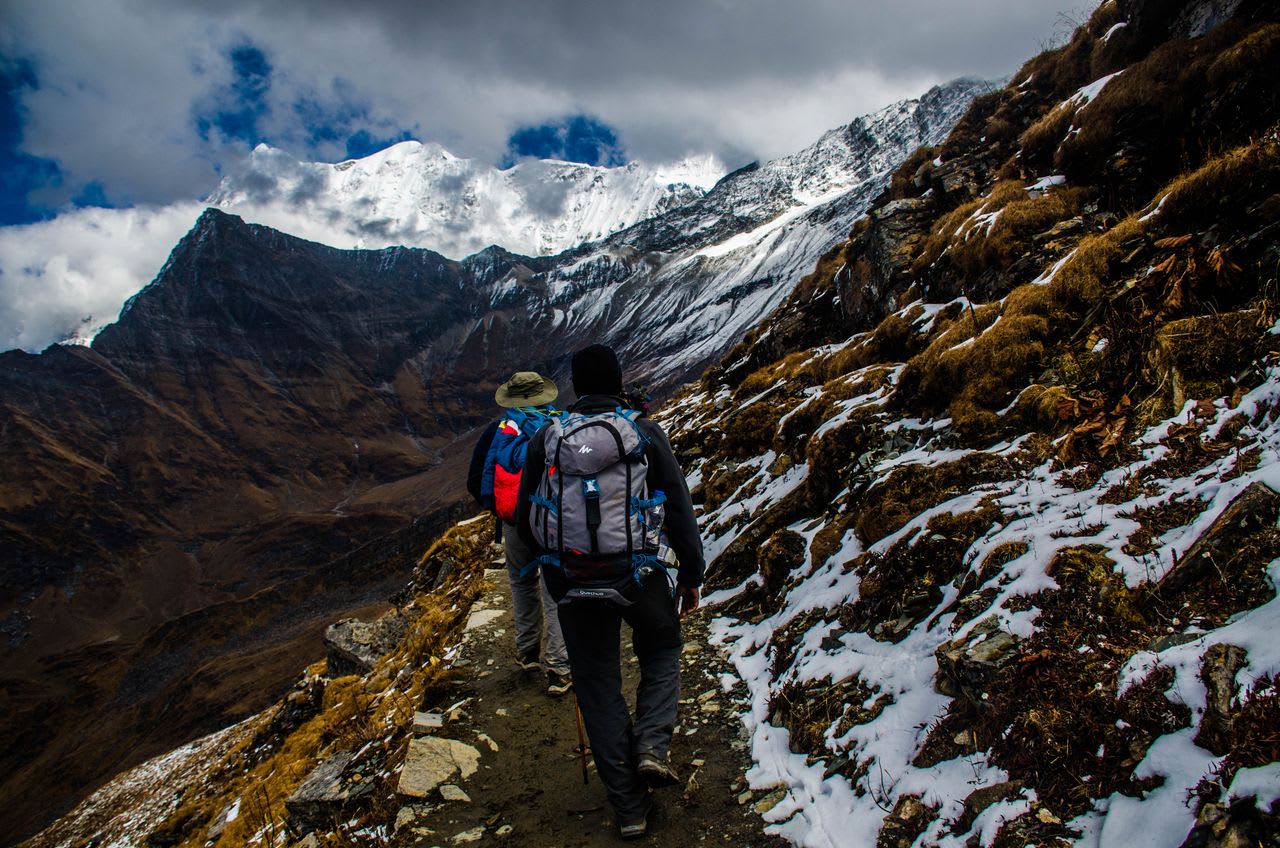
Cold and exceptionally clear. The air at altitude is at its sharpest all year and the popular trails are close to empty, which on a route like Poon Hill is transformative.
The cost is real cold — well below freezing at 3,500 m overnight, with many high lodges closed and high passes like Thorong La and Larke La frequently shut. This is the season for foothill routes: Poon Hill, Mardi, Ghandruk, Khopra. Not for a circuit.
March
The turn. Nights are still cold but the days lengthen and warm, rhododendron starts at the lower elevations, and the trails refill gradually. High passes may still hold snow. A good month for the Annapurna foothills and for starting the Everest approach before the spring crowd.
April
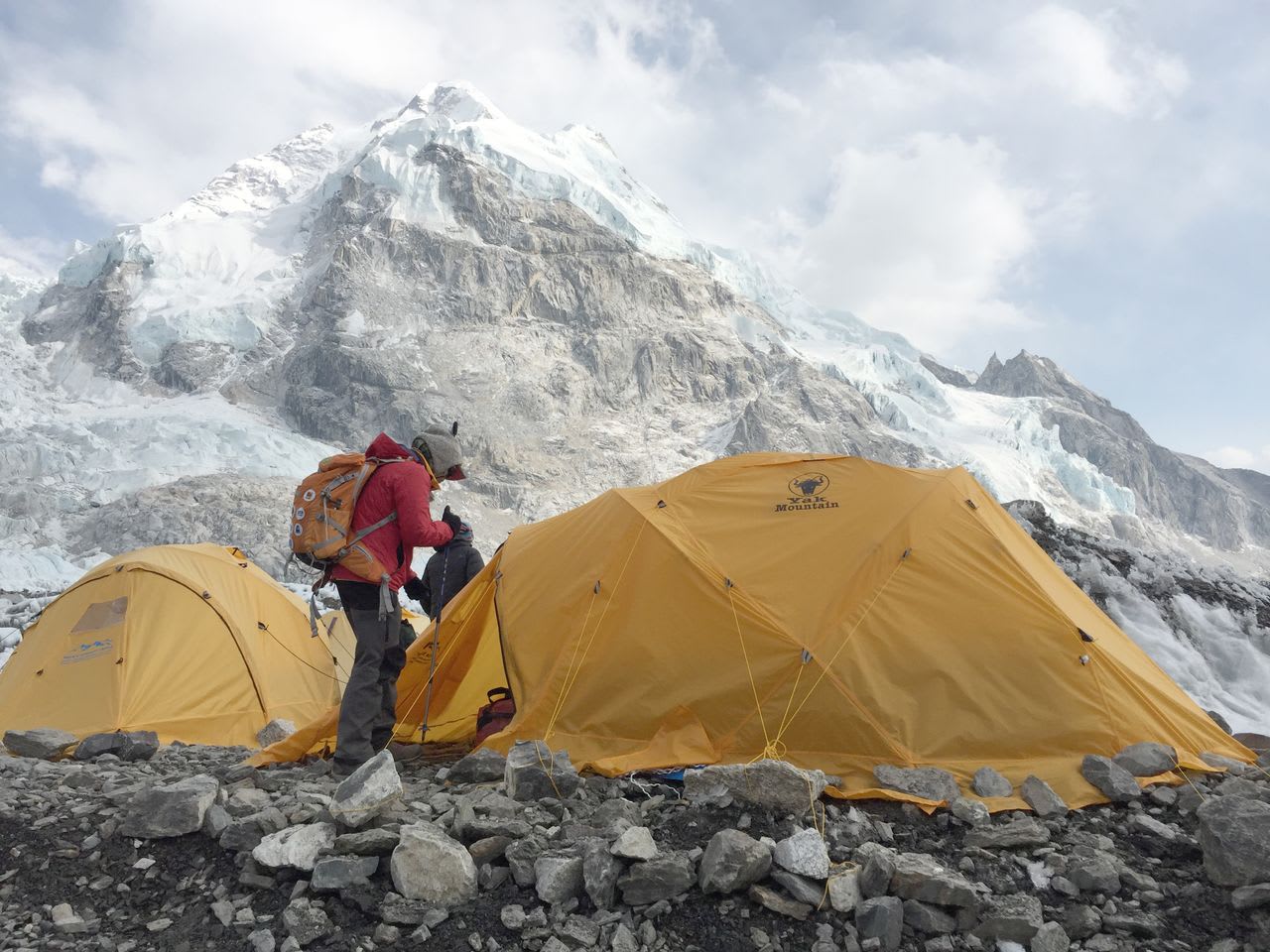
Arguably the best spring month. Rhododendron is in full flower between roughly 2,000 and 3,000 m, and the Ghorepani–Tadapani stretch in a good year is worth planning a trip around. This is also peak climbing season — Everest Base Camp in April is a working expedition city, which some people find the more interesting version.
The trade is haze. Mountain views are softer than in autumn.
May
Warm and getting warmer, with afternoon cloud building earlier each week. Low-altitude walking becomes hot. The high country is excellent and this is the month for the far west — Api Himal and the Darchula region hold winter snow longer, so their season runs late spring into June.
The Tiji festival at Lo Manthang falls in May, on dates set by the Tibetan calendar.
June, July and August — the monsoon
Ruled out for most of the country. Cloud sits on the mountains, the trails are wet, leeches are active in the forest belt, and the real danger is landslides closing mountain roads for days at a time.
But two regions sit in the Himalayan rain shadow, north of the main chain, and barely get the monsoon at all:
- Upper Mustang — genuinely in season. Dry, warm, and green in the irrigated fields against red rock.
- Upper Dolpo — May to early October is the window, and June to August is the heart of it, with the passes clear and the high pastures in flower.
The complication for both is the approach: flights through Nepalgunj and Pokhara are monsoon-affected even when the destination is not, so build in slack.
September
The first half is still monsoon. From roughly the third week the weather breaks, the air clears dramatically, and the season opens. Late September is a genuinely good time to be in the mountains — clear, warm, and ahead of the October crowd.
October
The most reliable month of the year and the busiest by a wide margin. Stable weather, exceptional visibility, every lodge open.
The crowding is real and worth planning around. Poon Hill at sunrise can hold several hundred people; Mardi Himal's High Camp fills; beds at Lobuche and Gorak Shep are tight. Book ahead, or take one of the quieter equivalents — Muldai instead of Poon Hill, Mohare Danda instead of the standard foothill loop.
November
The connoisseur's month. Almost as clear as October, noticeably colder, and the crowds thin through it. By late November the high lodges are quiet and the air is superb.
Days are short — plan on being in the lodge by mid-afternoon.
December
Underrated. The clearest skies of the year in many places, near-empty trails, and the foothill routes still comfortably walkable. Nights at 3,500 m are hard, and some high lodges close for the winter.
For a four-day Annapurna foothill trek, December is arguably the best month and almost nobody uses it.
Choosing by what you want
| If you want | Go |
|---|---|
| The sharpest mountain views | Late October, November, December |
| Rhododendron forests | Late March to early May |
| Empty trails | December, February, late November |
| To trek in July or August | Upper Mustang or Upper Dolpo, nothing else |
| Base Camp with expeditions in it | April |
| Warm weather at low altitude | March, April, October |
One thing that matters more than the month
Whatever you choose, keep a spare day. Flights cancel, roads close and passes hold snow in every season including the best ones. The month determines how likely that is; it never makes it impossible.
About Anos Tamang
Founder and trekking guide, Shamar Treks
Anos Tamang is the founder of Shamar Treks and a working trekking guide. He leads trips across Nepal's trekking regions and writes here about the practical side of them — routes, permits, seasons and the decisions that make the difference on the trail.