What to Pack for a Nepal Trek, and What to Leave Behind
Anos Tamang
Founder and trekking guide, Shamar Treks
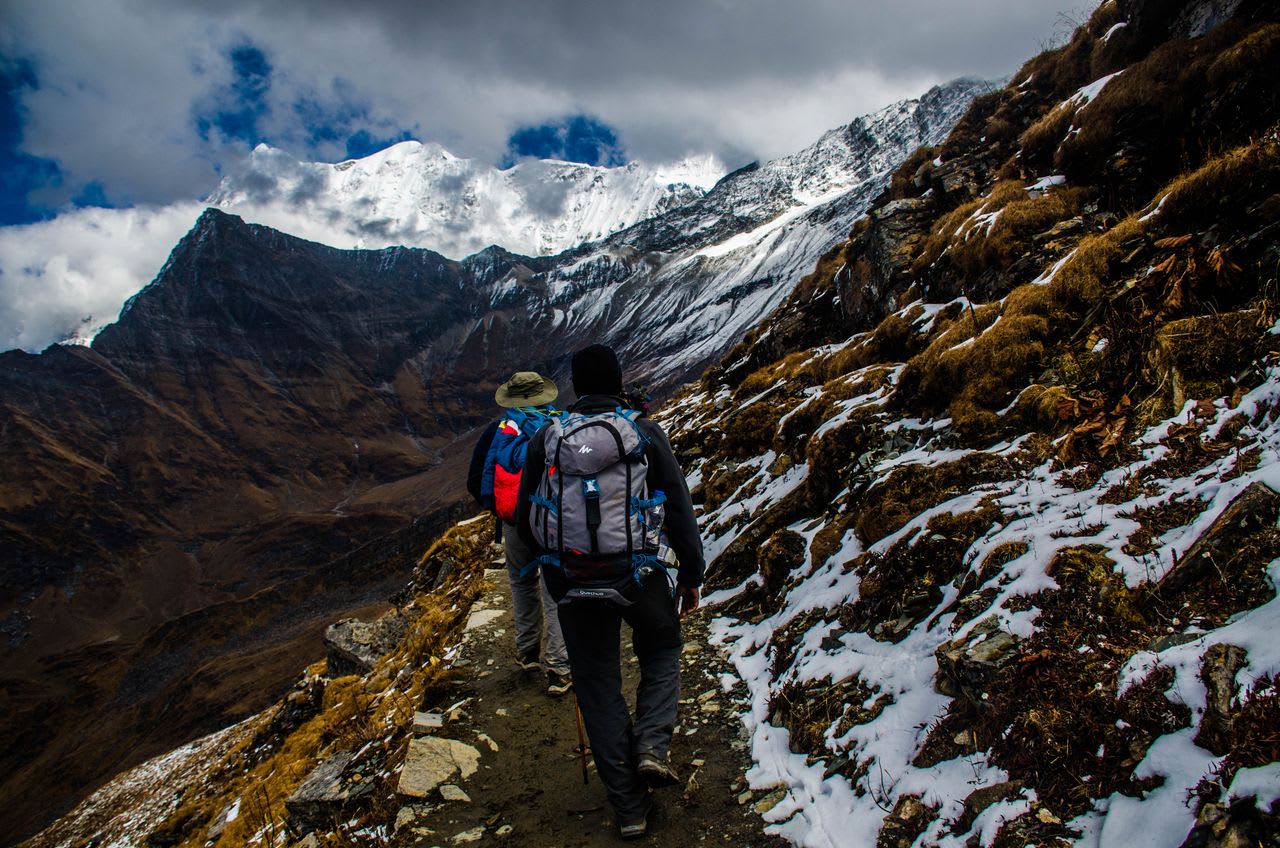
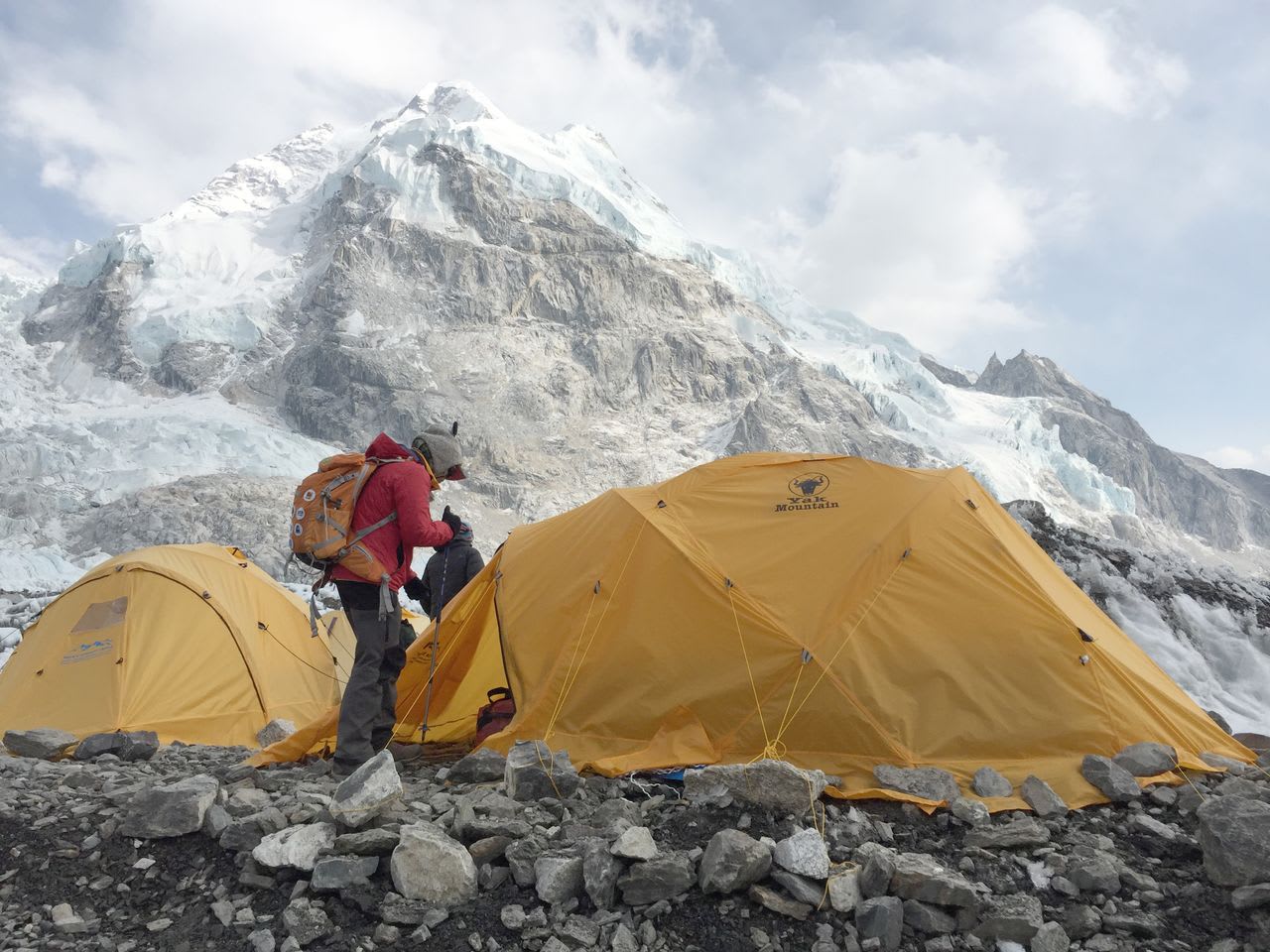
Most packing lists for Nepal are long, generic and written to be comprehensive rather than useful. This one is organised by decision: what you must bring from home, what to rent when you land, what the weight limits force you to leave, and what people carry for a fortnight without ever using.
The four things to bring from home
Everything else is negotiable. These are not.
- Boots you have walked in. At least 50 km, on hills, carrying weight. Boots are the most common cause of a ruined trek and the one item that cannot be solved in Kathmandu.
- Gloves that work. A warm outer pair plus thin liners you can keep on to open a zip or use a camera. Bare hands at -15 °C is a matter of minutes.
- A windproof shell, top and bottom. Wind, not temperature, is what makes high passes dangerous.
- Any prescription medication, in original packaging, in your daypack rather than a duffel that travels separately.
What to rent or buy in Kathmandu
Thamel and Pokhara lakeside have a dense concentration of gear shops, and renting is cheap and straightforward. Worth renting:
- Down jacket — inspect the zip and the baffles before accepting it
- Sleeping bag — same, and check the rating honestly (see below)
- Duffel, if a porter is carrying your kit
- Trekking poles — cheap enough to buy outright
- Crampons and technical hardware on a climbing trip, though a good operator supplies these
Much of what is sold is counterfeit branded gear. That is not automatically a problem for a down jacket you will wear for two weeks, but do not buy a shell you are relying on to keep water out, and do not buy boots at all.
Sleeping bag ratings, which people get wrong
Lodges are unheated apart from the dining room, and blankets are provided but not sufficient high up. The bag is your heating.
| Trek type | Sleep as high as | Bag rating |
|---|---|---|
| Annapurna foothills | ~3,000 m | -5 °C |
| Langtang, Poon Hill, Mardi | ~3,600 m | -10 °C |
| Everest Base Camp, Annapurna Circuit | ~5,000 m | -15 °C |
| Camping treks — Dolpo, Dhaulagiri | Above 5,000 m in a tent | -25 °C |
Use the bag over the lodge blankets, not instead of them. And sleep in a dry base layer rather than the clothes you walked in — damp fabric is why people are cold at night despite a good bag.
Layers, in the only order that matters
You will be too hot walking uphill and too cold within ten minutes of stopping. The system that handles that is three layers you can change quickly:
- Base: two merino or synthetic tops. Never cotton — it holds sweat and then chills you.
- Mid: a fleece, plus the down jacket for evenings and early starts.
- Shell: windproof and waterproof, top and bottom.
Two pairs of trekking trousers, three or four pairs of proper walking socks, and a warm hat. That is genuinely the clothing list.
The sun is the underrated hazard
UV rises sharply with altitude and reflects off snow, and people arrive braced for cold and get burned instead.
- High-factor sun cream and lip balm with sun protection — cracked lips at 5,000 m are miserable and slow to heal
- Category 4 sunglasses, or glacier glasses on a snow trek. Ordinary sunglasses are not enough on snow.
- A sun hat as well as a warm one
The weight limits nobody mentions
Two constraints shape what you can actually take.
The Lukla flight allows around 10 kg of hold baggage plus about 5 kg of hand luggage, on a small aircraft where the limit is enforced. Excess is charged or left behind.
A porter carries roughly 20 kg between two trekkers — so about 10 kg each in a duffel, and you carry a daypack with water, layers, camera and documents. Loading a porter beyond an agreed limit is not a grey area; it is the main welfare problem in the industry.
Hotels in Kathmandu and Pokhara will store whatever you do not need on trek, free, for as long as you are away. Use that rather than carrying town clothes up a mountain.
Small things that earn their weight
- A headtorch, with spare batteries. Summit and pass days start in the dark and lodge power fails.
- A power bank. Charging is a paid extra and unreliable above 4,000 m. Keep it and your phone in your sleeping bag at night — cold flattens batteries faster than use.
- Water treatment — tablets or a filter. Cheaper than bottled water, and several regions have banned bottle sales outright.
- Blister plasters and tape. Treat a hot spot the moment you feel it, not at lunch.
- Earplugs. Plywood walls.
- Cash in small notes, taken out before the last road town.
What people carry and never use
A full first aid kit, when the guide carries one. Three books. A laptop. A towel bigger than a hand towel. Jeans. Multiple pairs of camp shoes. A drone, which needs permits most people have not obtained. And quick-dry clothing in quantities that assume laundry facilities that do not exist above the roadhead.
A note on renting boots
Do not. It is the one recurring piece of advice in everything written here, because it is the one mistake that turns a good trek into a painful one, and it costs nothing to avoid.
For what each trip specifically requires, the Essential Information block on every trip page lists the sleeping bag rating and any technical equipment, and says what we supply. Our altitude guide covers the medical side.
About Anos Tamang
Founder and trekking guide, Shamar Treks
Anos Tamang is the founder of Shamar Treks and a working trekking guide. He leads trips across Nepal's trekking regions and writes here about the practical side of them — routes, permits, seasons and the decisions that make the difference on the trail.