Photography Tours
Explore Photography Tours
A trip planned around where you need to be standing and when — with the practical and ethical problems of photographing Nepal addressed properly.
Why Nepal is harder to shoot than it looks
People come back from Nepal with thousands of frames and a handful they like. The reasons are consistent and largely avoidable.
The mountains are further away than they feel. Standing below a 7,000 m face, the instinct is to shoot wide. Wide renders it as a distant bump. Most of the mountain images that work are made at 70–200 mm, isolating a ridge or a face rather than including the whole scene.
The light is brutal and brief. At altitude the air is thin and the contrast range between a sunlit snowfield and a shaded valley exceeds what a sensor can hold. The usable window is roughly the first and last ninety minutes of the day. Between ten and four, high-altitude light is flat and white and there is little to be done with it.
Haze eats the middle distance. In the pre-monsoon months the valleys fill with dust and smoke from crop burning, and a mountain that is visible to your eye disappears in a photograph. This is the single biggest reason trips at the wrong time of year disappoint.
Planning around being in the right place
A photography trip differs from a normal itinerary in one respect: it is built around standing somewhere specific at dawn, and everything else bends to that.
In practice that means overnighting at Sarangkot or Nagarkot rather than driving up in the dark, budgeting two mornings at a viewpoint rather than one so weather does not end the matter, and accepting shorter walking days because the good light is at both ends.
On a trek it means carrying the weight. Nobody has ever regretted the tripod at Kala Patthar at 5 am, and everybody has regretted it on the climb the day before.
Photographing people, properly
Nepal's street and portrait photography is exceptional and it is where the ethical questions actually sit.
Ask. A gesture towards the camera and a raised eyebrow is universally understood and is almost always answered yes. The image you get after asking is generally better than the one you stole, because the person is engaged rather than caught.
Some places are simply not for photographing. Cremations at Pashupatinath are the clearest example — families are grieving in public, and a long lens pointed at them is indefensible whatever the light is doing. Monastery interiors often prohibit photography and the prohibition is religious, not commercial.
Do not pay children to pose. It creates a local economy around begging from tourists that villages then have to deal with long after you have gone.
Where to go for what
Kathmandu Valley — architecture, ritual, dense street work. Boudhanath at dusk and Bhaktapur at first light before the tour buses.
Upper Mustang — the strongest landscape work in Nepal for anyone who prefers form and texture to snow peaks. Eroded badlands, walled fields, and a quality of light you do not get on the wet side of the range.
The Khumbu — the classic mountain portfolio, and the reason to go to Gokyo rather than only Base Camp: the lakes give you foreground, which the moraine at Gorak Shep does not.
Season
Late October to December without much argument. The monsoon has washed the atmosphere clean, visibility is at its annual best, and the air stays clear until the winter haze builds. March and April give you rhododendron and festivals at the cost of a hazier middle distance.
Available Packages
Choose from our carefully curated packages for this activity
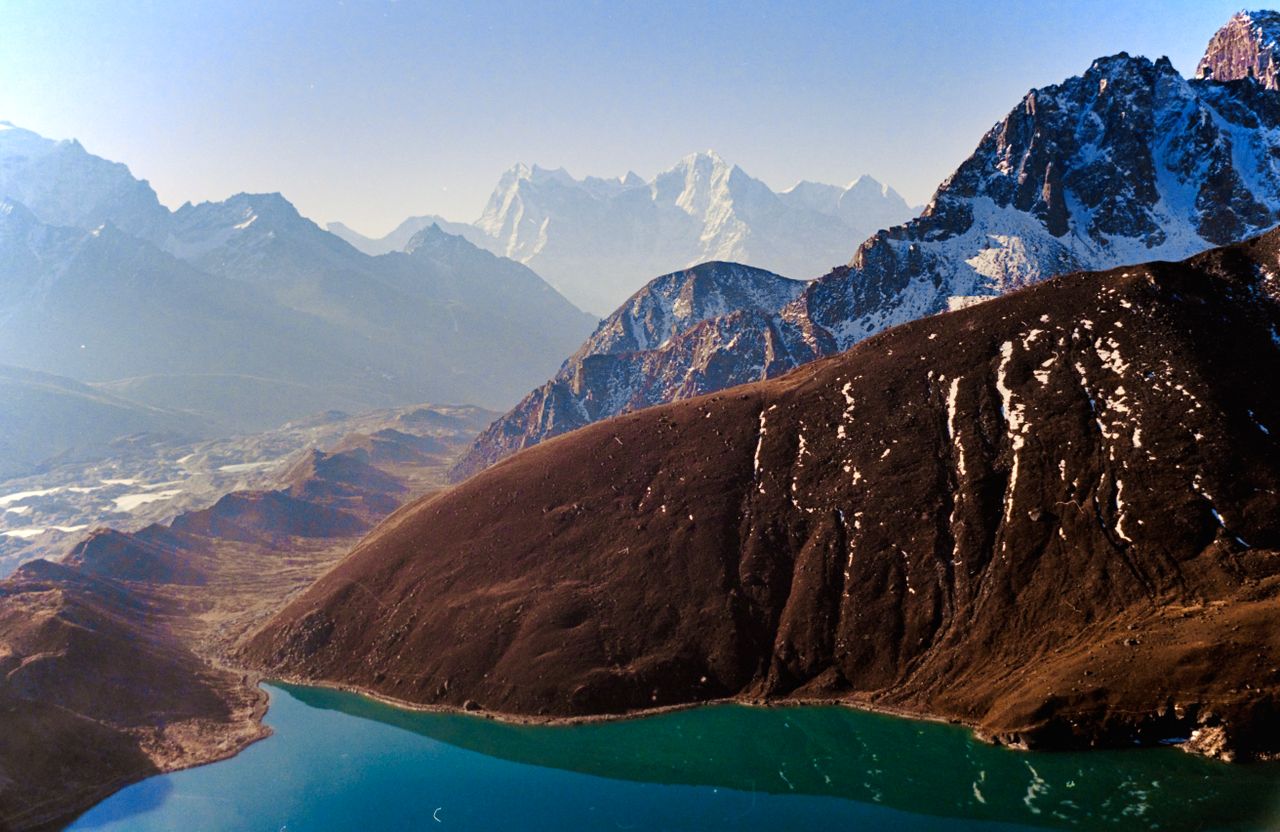
Gokyo Lakes Trek
Twelve days up the Dudh Koshi to the Gokyo lakes at 4,790 m, beside the longest glacier in Nepal, and up Gokyo Ri at 5,357 m for a panorama holding four of the world’s fourteen 8,000 m peaks.
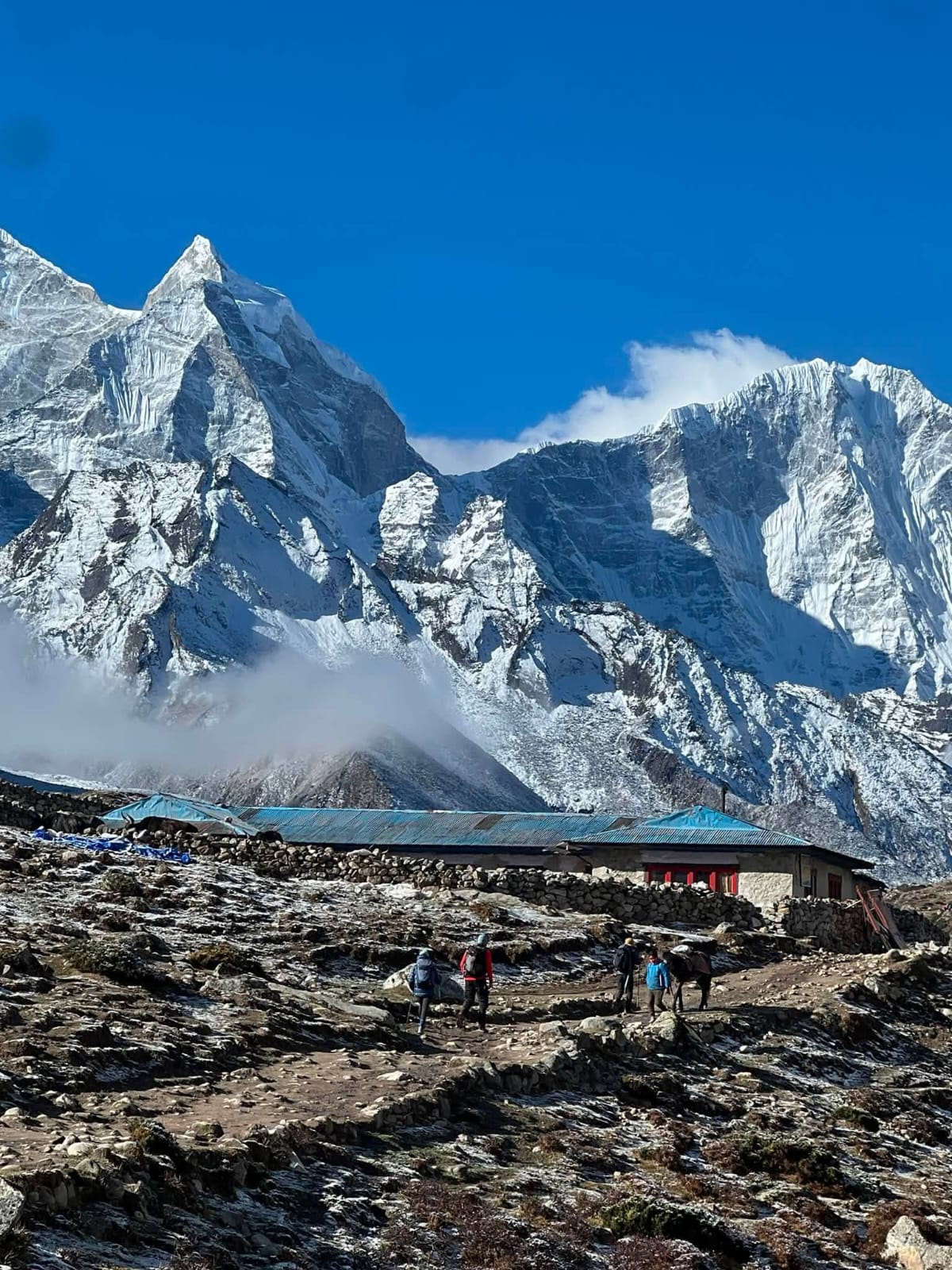
Everest Three Passes Trek
Nineteen days over the Kongma La, Cho La and Renjo La, taking in Everest Base Camp, Kala Patthar and the Gokyo lakes — the hardest trek in Nepal that still sleeps in lodges every night.
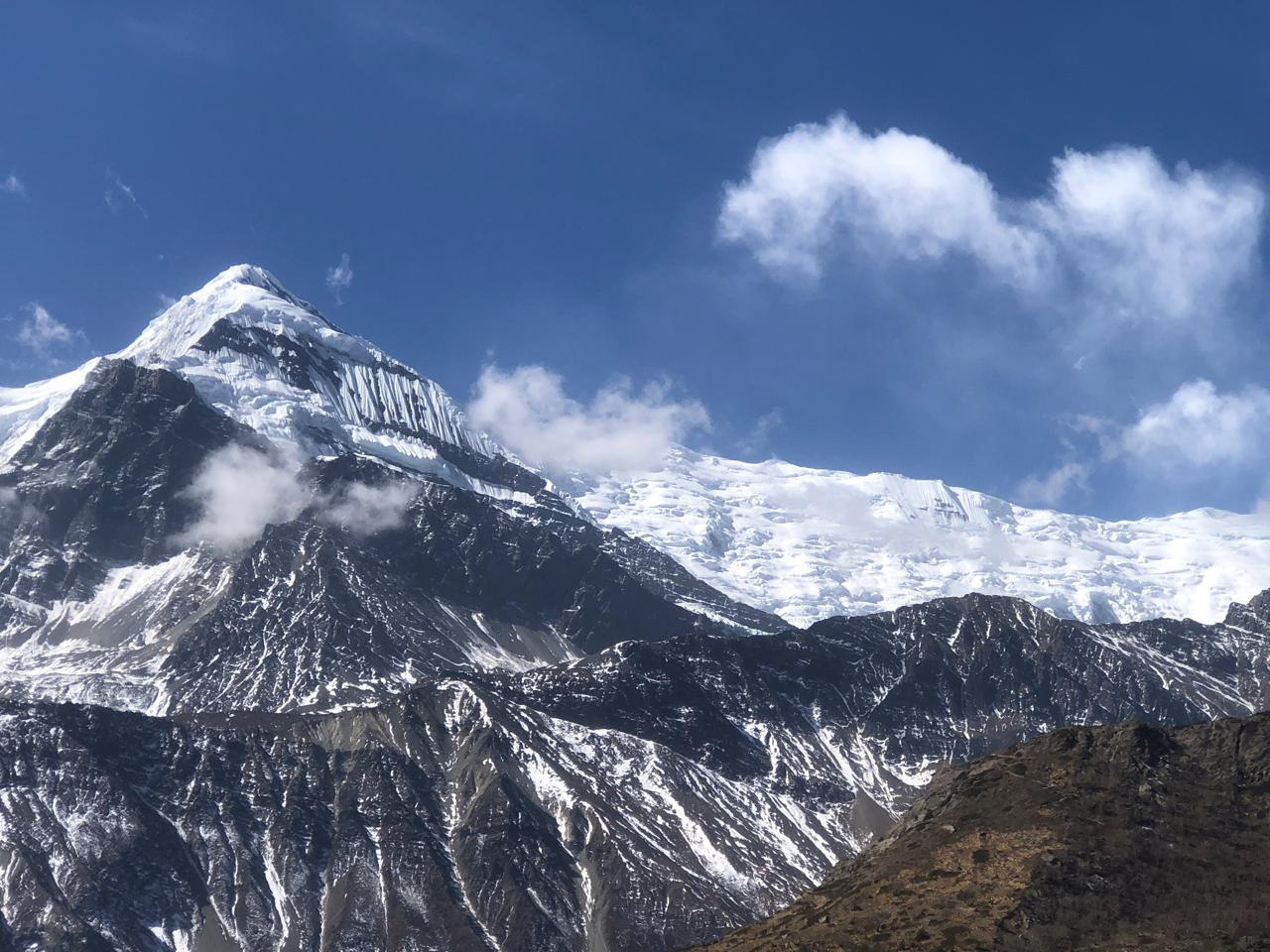
Annapurna Base Camp Trek
Seven days up the Modi Khola into the Annapurna Sanctuary — a glacial amphitheatre at 4,130 m ringed by 7,000 m peaks, and the only trek in Nepal where you sleep inside one.
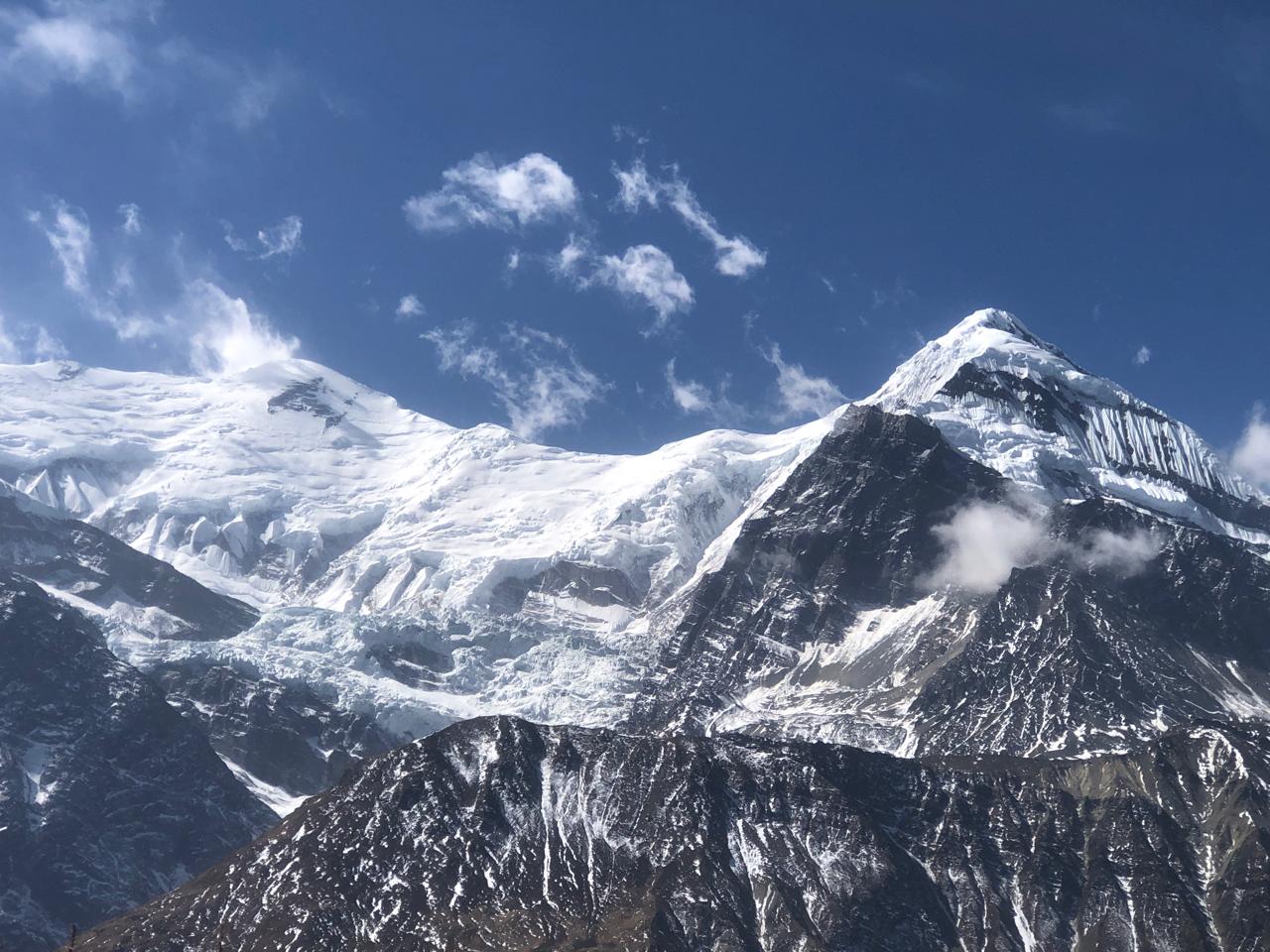
Manaslu Circuit Trek
Twelve days up the Budhi Gandaki and around Manaslu, the eighth-highest mountain on earth, finishing over the 5,106 m Larke La into the Annapurna trail.
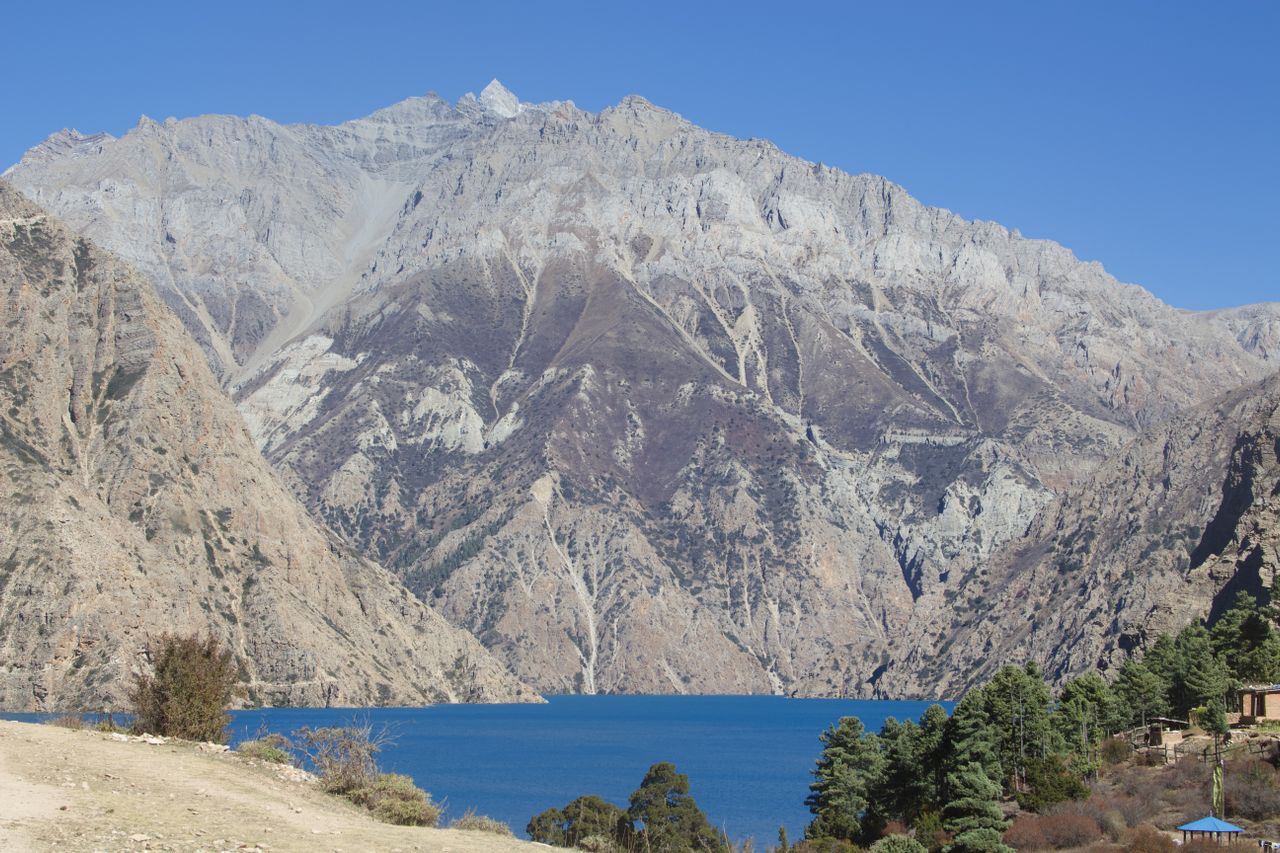
Upper Dolpo Trek
Twenty-five days across the high Tibetan plateau of Upper Dolpo — Phoksundo Lake, the Crystal Mountain at Shey, four passes over 5,000 m, and a full camping crew because there is nothing else out there.
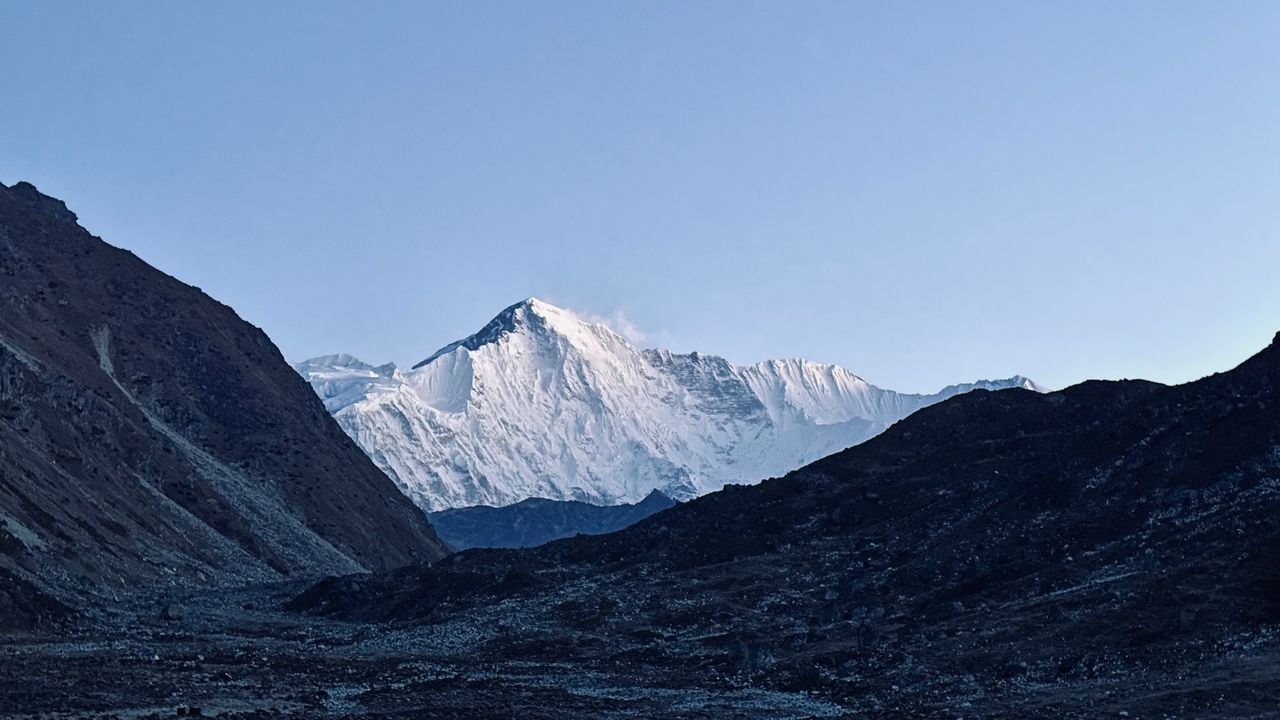
Makalu Base Camp Trek
Nineteen days up the Barun valley to the foot of the world's fifth-highest mountain — three passes on the way in, no road, no shortcut, and a base camp amphitheatre that very few people ever stand in.
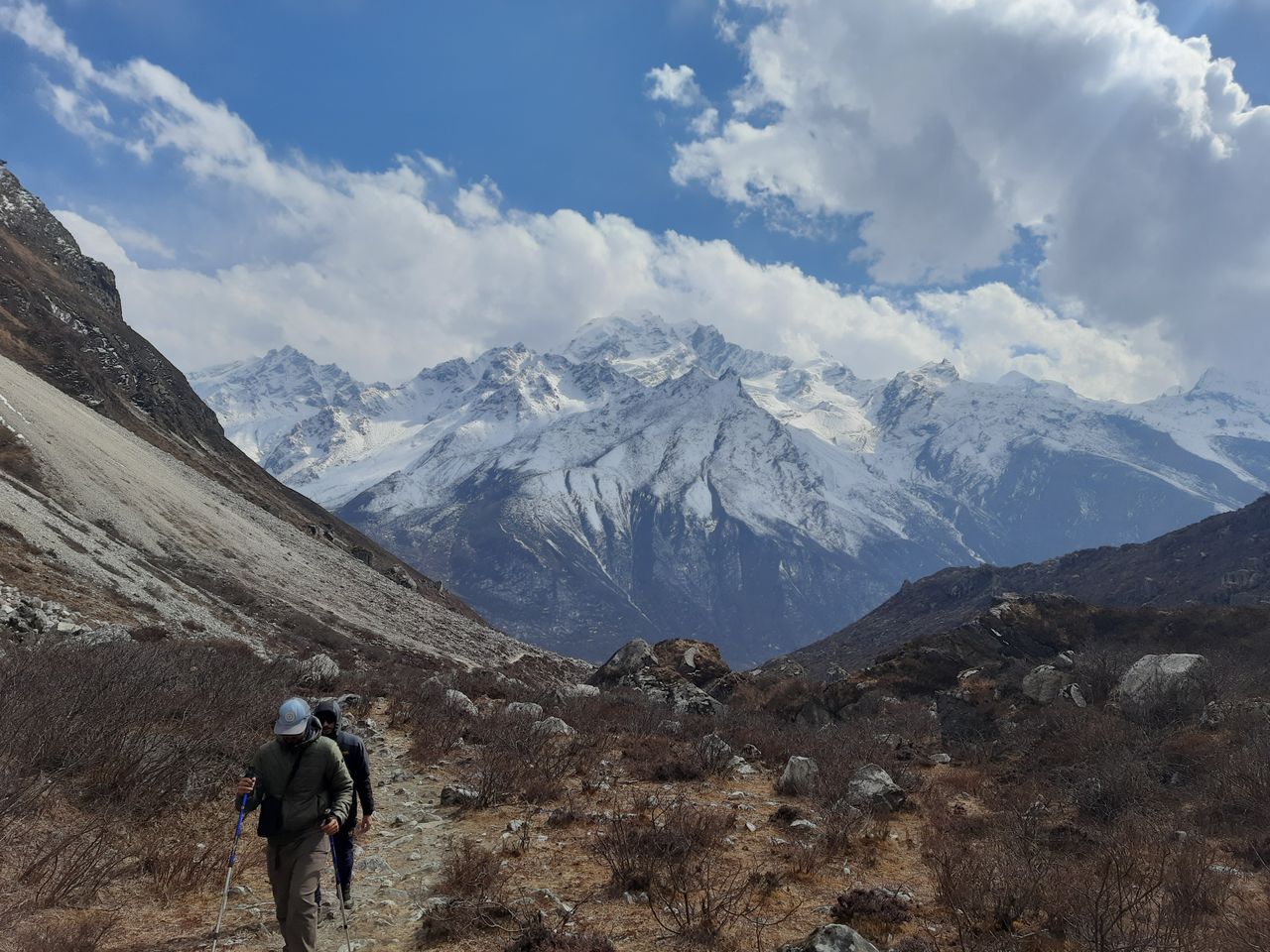
Langtang Valley Trek
Eight days into the valley directly north of Kathmandu — glacier-head scenery at Kyanjin Gompa, a 4,985 m viewpoint above it, and a community that rebuilt the whole village after 2015.
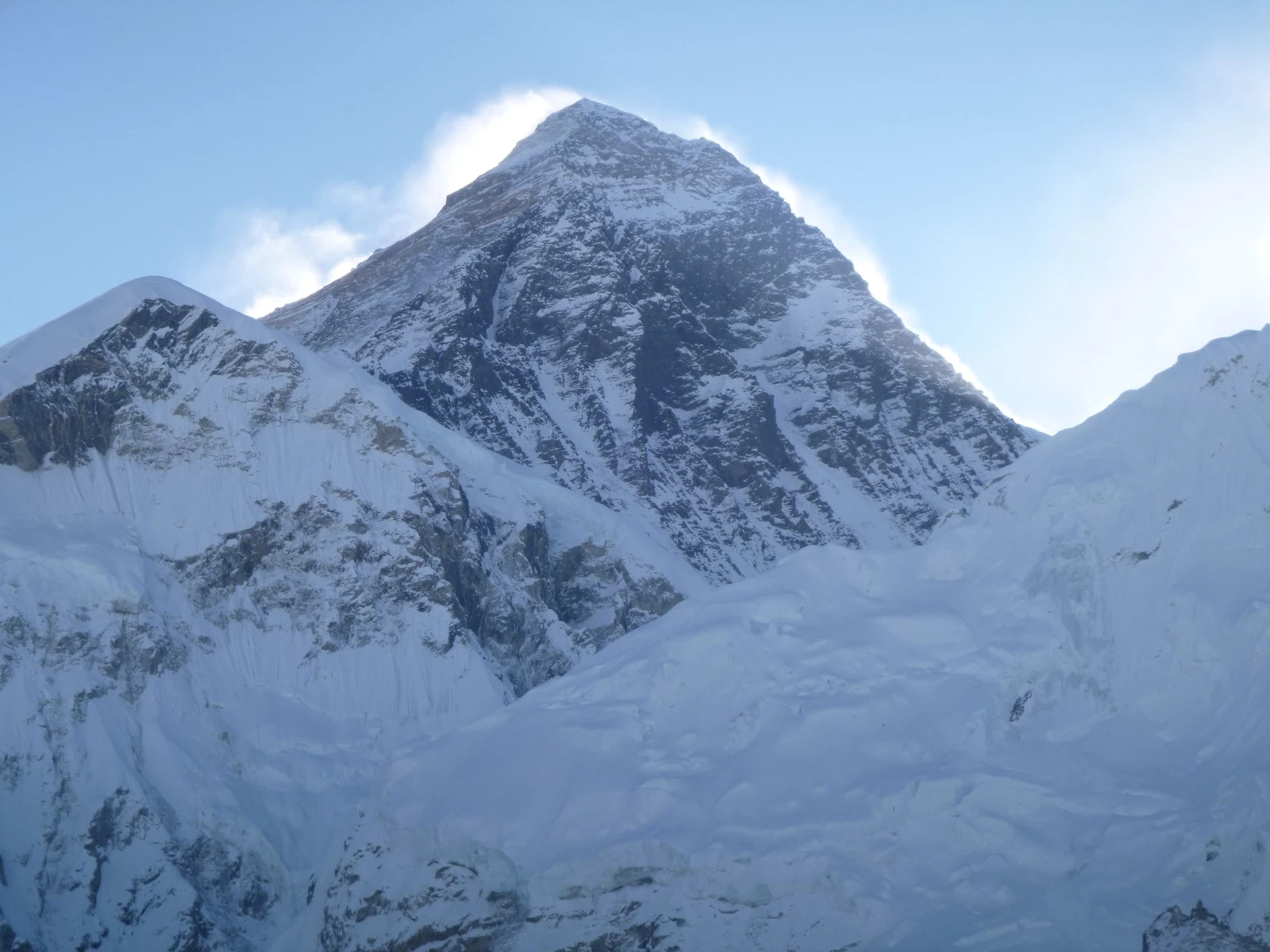
Everest Base Camp Trek
Fourteen days through Sherpa country to the foot of the highest mountain on earth, finishing at Kala Patthar (5,545 m) — which is where you actually see Everest.