Village Homestays
Explore Village Homestays
Staying in a family home in a village that runs the scheme itself — the arrangement where the largest share of what you pay stays where you slept.
The economic argument, which is the real one
Most of what a visitor spends in Nepal leaves the place they spent it. International flights, foreign-owned hotels, imported food, agency margins — the proportion that reaches a rural household is small.
A community homestay inverts that. You pay a village-managed fund, it goes to the household that hosted you with a share to a community pot, and the money stays in the valley. In well-run schemes the village decides collectively what the common fund pays for, which is typically a school, a water system or a trail.
That is a different proposition from a heritage tour, which is about seeing things. This is about where your money sleeps.
Three that work
Sirubari in Syangja, a Gurung village a few hours from Pokhara, was Nepal's first organised homestay village and remains the model others copied. The scheme is run by a village committee that rotates which household receives guests, so income is distributed rather than concentrated on whoever is nearest the road.
Ghale Gaun in Lamjung sits at around 2,000 m with the Annapurnas and Manaslu visible, and combines a homestay stay with genuinely good short walks. Gurung again, and strongly associated with Gurkha military families.
Panauti, forty minutes from Kathmandu, is a Newar town of considerable architectural interest with a homestay programme run largely by local women. It is the easiest to reach and the best option if you have two spare days rather than a week.
What a stay is actually like
Honesty is more useful than enthusiasm here.
You get a room in a family home, usually simple, often with a shared squat toilet and a bucket for washing. You eat what the family eats, at the times they eat it, which means dal bhat twice a day and probably no menu choice. Electricity may be intermittent. There will be no wifi in most of these places.
In return you spend two days inside a Nepali household rather than adjacent to one — helping with cooking if you want to, walking to the fields, being introduced to everyone. Most guests report that the evening in the kitchen was the part they remember from the whole trip.
English varies enormously. In some households it is fluent, in others nonexistent and you communicate with gesture and a guide.
Being a good guest
A few things that matter more in a home than a lodge. Remove shoes indoors. Do not enter the kitchen or touch cooking pots without being invited — many households observe rules about ritual purity around food that a guest can breach without noticing. Eat with your right hand. Ask before photographing anyone, and particularly before photographing inside the house.
Small gifts for children are best given to the parents rather than directly, and something practical for the household is better received than sweets.
When to go
Year round, and the shoulder seasons are actively better — villages are less busy and you are more likely to be the only guest. Going during a festival such as Dashain or Tihar, if a household will have you, is the most interesting time by some distance.
Available Packages
Choose from our carefully curated packages for this activity
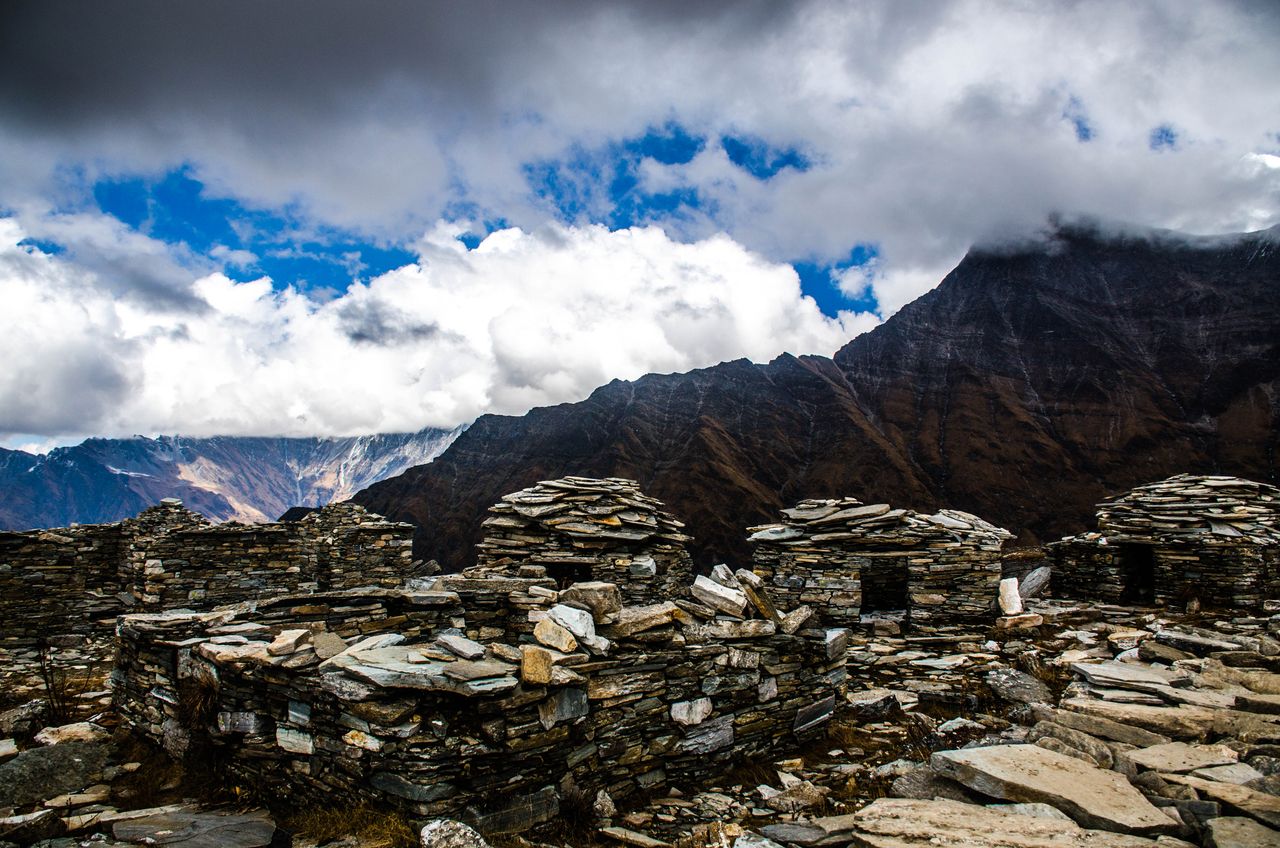
Tamang Heritage Trail Trek
Seven days through Tamang villages in Rasuwa, north of Kathmandu, on a trail that never goes above 3,165 m — the one Himalayan trek where altitude is not a factor you have to plan around.
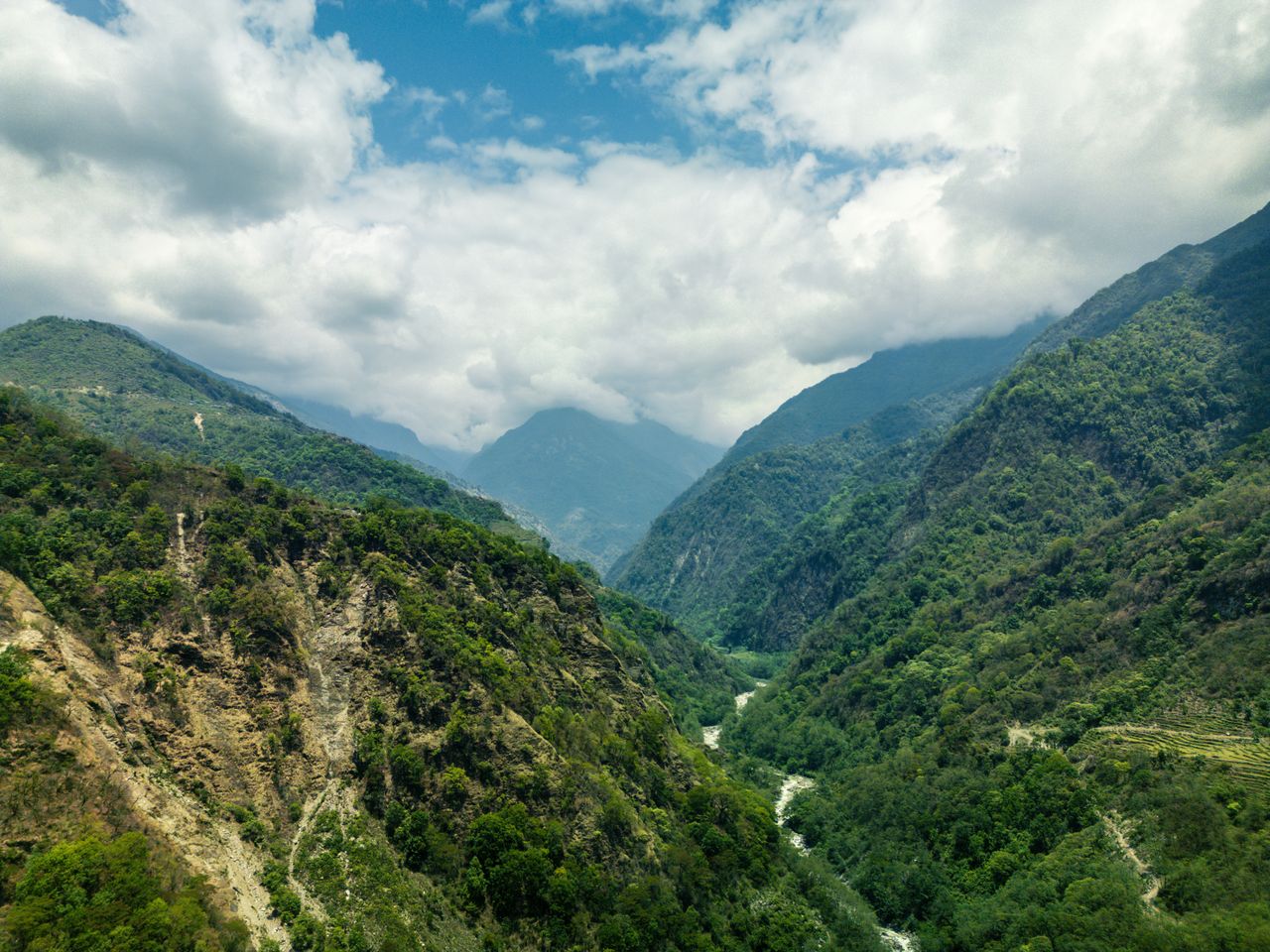
Ruby Valley Trek
Nine days across the Ganesh Himal foothills between the Langtang and Manaslu trails — homestays rather than lodges, a 3,850 m pass, and a stretch of country most trekkers in Nepal have never heard of.

Khopra Danda & Khayer Lake Trek
Seven days onto a ridge that faces Dhaulagiri head-on, with an optional dawn climb to a sacred lake at 4,660 m — and community-owned lodges the whole way.