Pokhara
A lakeside town at 820 m with the Annapurnas 30 km away — trailhead, adventure hub, and the place everyone recovers after a trek.
, Nepal
1,740m
Max Elevation
2-5 days
Duration
Easy
Difficulty
🗓️
Best Time
September to April
About Pokhara
The geography that makes it unusual
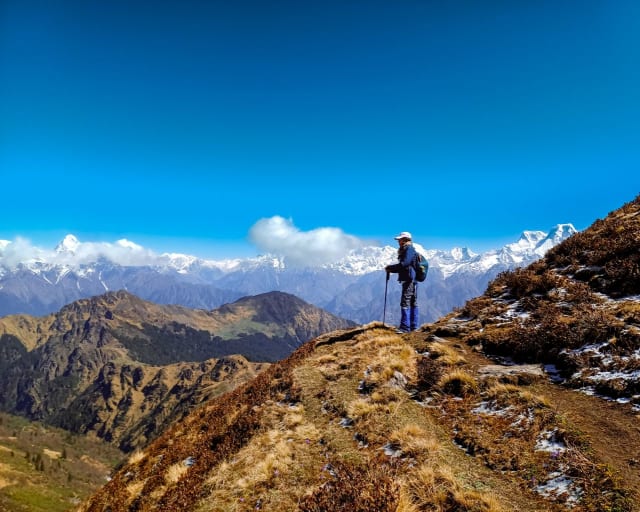
Pokhara sits at about 820 m. Thirty kilometres north, Annapurna I rises to 8,091 m. That is one of the steepest elevation gains over such a short horizontal distance anywhere on earth, and it is why the mountains here look impossibly close — you are standing in the subtropics looking at an 8,000 m face.
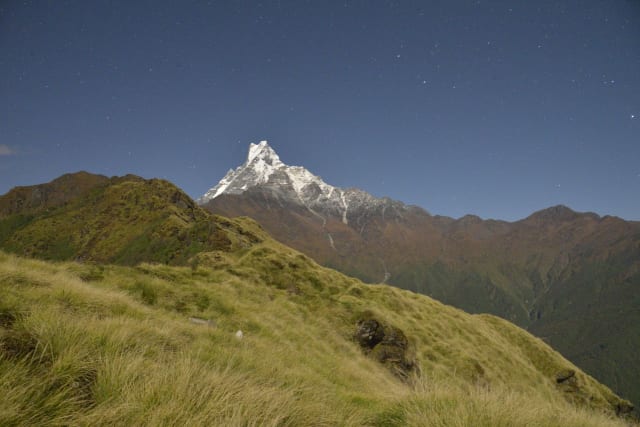
Machhapuchhre (6,993 m) dominates the view. It has never been climbed: the 1957 expedition stopped short of the summit by agreement, and it has been closed to climbing ever since out of respect for its sacred status.
What Pokhara is for
Three things, and it is worth being clear which one you are here for.
As a trailhead. Annapurna Base Camp, Poon Hill and the Annapurna Circuit all start within a couple of hours' drive. Permits are issued here. Most Annapurna itineraries begin and end with a night in Pokhara.
As an adventure base. Paragliding from Sarangkot is among the best flying sites in the world — a reliable thermal, a 1,000 m vertical drop and the Annapurnas as a backdrop, with tandem flights needing no experience. Rafting on the Seti and Kali Gandaki runs from here too.
As the place you recover. After two weeks above 4,000 m, a lakeside room at 820 m with oxygen in the air and a restaurant that serves something other than dal bhat is not a small thing. Build in two nights after a trek rather than one.
Around the lake
Phewa Lake is the centre of it. Hire a boat in the early morning, before the wind, when Machhapuchhre is reflected in it. The World Peace Pagoda on the ridge above the south shore is a 45-minute walk up from the water and the best viewpoint over town and lake together.
Sarangkot at 1,592 m is the sunrise spot — Dhaulagiri, Annapurna and Machhapuchhre lighting up in sequence. It is busy; going by road at dawn and walking down is better than the reverse.
Day trips worth the time
Begnas and Rupa lakes, 15 km east, are what Phewa was thirty years ago — no lakeside strip, working farmland, and a ridge walk between the two. The best half-day near Pokhara and almost no visitors.
Australian Camp and Dhampus is an overnight walk you can do with no permit fuss and no trek commitment: a couple of hours up from Kande, a night at around 2,100 m, and an Annapurna sunrise. It is the shortest honest taste of trekking in Nepal.
Mahendra and Bat caves and the International Mountain Museum fill a wet afternoon. The museum is better than it sounds — the expedition history section is genuinely good.
Best time
September to April. Pokhara catches more rain than almost anywhere in Nepal — the monsoon here is serious and the mountains vanish behind cloud for weeks. October and November are the clearest.
Where to go next
- Annapurna Region — The most varied trekking region in Nepal and the most accessible
- Kathmandu Valley — Seven UNESCO Monument Zones within an hour of each other
Related activities: Paragliding in Pokhara, Trekking in Nepal, White Water Rafting in Nepal, Zip Lining in Pokhara, Kayaking in Nepal, Bungee Jumping in Nepal.
Or see every trip we run: all trekking and tour packages.
Key Highlights
Machhapuchhre reflected in Phewa Lake on a still morning
Sarangkot at sunrise, and the paragliding launch beside it
The World Peace Pagoda above the south shore
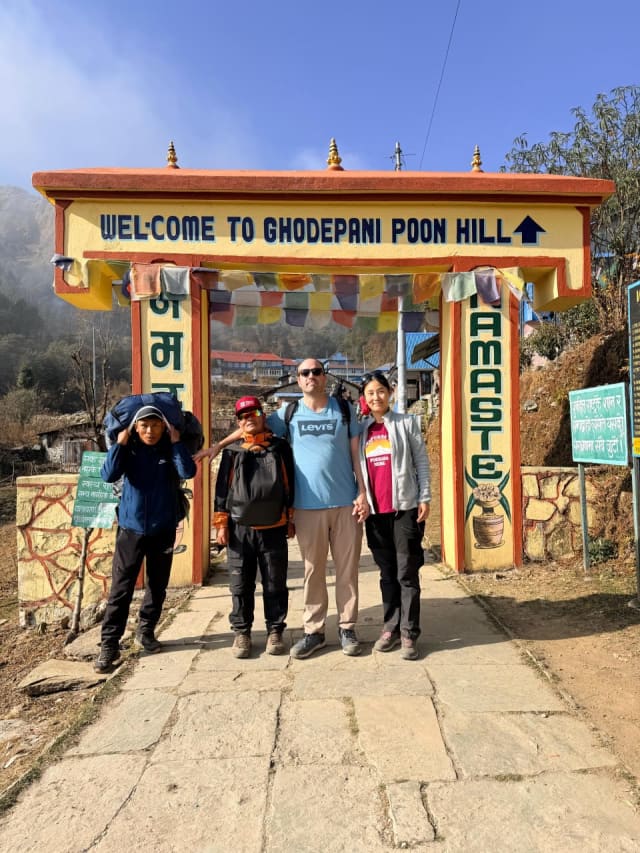
Trailhead for Annapurna Base Camp, Poon Hill and the Circuit
The International Mountain Museum
Geography & Terrain
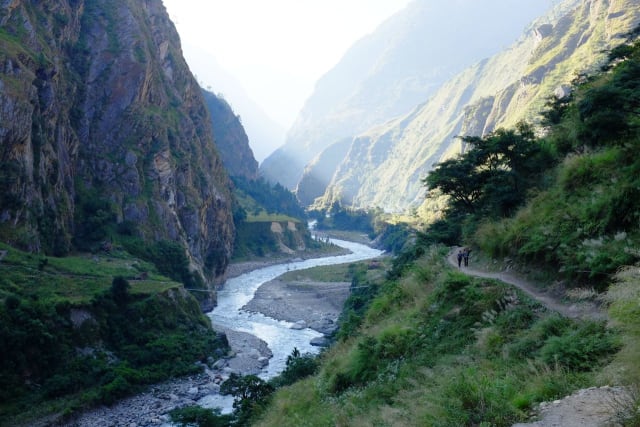
The region features diverse landscapes from lush valleys to towering peaks.
Culture & People
Experience rich cultural heritage and warm hospitality of local communities.
Wildlife & Nature
Diverse flora and fauna unique to the Himalayan ecosystem.
Conservation
Protected areas ensure preservation of this unique ecosystem.
Available Packages
Choose from our carefully crafted packages designed to showcase the best of this destination






Travel Tips for Pokhara
Essential information to help you prepare for your adventure and make the most of your journey
Emergency Contacts
Tourist Police
+977-1-4247041
Shamar Treks
+977-9849052053
Emergency Services
100 (Police) / 102 (Ambulance)