Mountaineering Expeditions
Explore Mountaineering Expeditions
Full expedition logistics for objectives from 6,000 m peaks to the 8,000 m giants — permits, staff, oxygen and high-altitude support.
Where expeditions differ from peak climbing
A trekking peak is a week added to a trek. An expedition is a season. Above roughly 6,500 m the permit category changes, the logistics change completely, and the commitment moves from days to weeks — an 8,000 m peak means six to eight weeks in the field, most of it spent acclimatising and waiting for weather.
What we support
Expedition peaks, 6,500–7,500 m. Objectives like Baruntse, Himlung and Putha Hiunchuli. Far less crowded than the 8,000ers, technically interesting, and a realistic bridge for a climber moving up from trekking peaks.
8,000 m peaks. Nepal holds eight of the fourteen. Manaslu and Cho Oyu are the usual first choices — relatively less technical and commonly used as preparation for Everest. Everest, Lhotse, Makalu, Dhaulagiri, Annapurna I and Kanchenjunga are serious undertakings in their own right, with Annapurna I carrying the highest fatality rate of any 8,000 m peak.
What the price actually covers
Expedition quotes vary enormously and the difference is rarely the tent. It is usually these:
- Climbing Sherpa ratio — 1:1 versus shared. This is the single largest cost driver and the largest safety factor.
- Bottled oxygen — how many bottles are allocated to you, and how many are held in reserve for an emergency descent.
- Staff wages, insurance and equipment — the part that gets cut to reach a headline figure.
- Weather forecasting — a dedicated forecast service versus guessing.
- Evacuation arrangements — who is covering the helicopter, and from what altitude.
We are a Kathmandu operator and we will tell you plainly which of these a given budget does and does not buy. A quote significantly below the market is not efficiency; something in that list has been removed.
Our staff
Expedition work in Nepal is carried out by Nepali climbers, whoever is selling the trip. We employ our high-altitude staff directly, insure them to the level required for the altitude they work at, and pay summit bonuses regardless of whether the client summits. Ask any operator for their staff insurance figure; it is the most revealing question you can put to them.
What we need from you
A verifiable climbing record. For an 8,000 m peak that normally means at least one 7,000 m summit, or a 6,000 m peak plus technical experience elsewhere. We decline applications that do not have it — not to be difficult, but because the consequences at altitude fall on the whole team.
Available Packages
Choose from our carefully curated packages for this activity
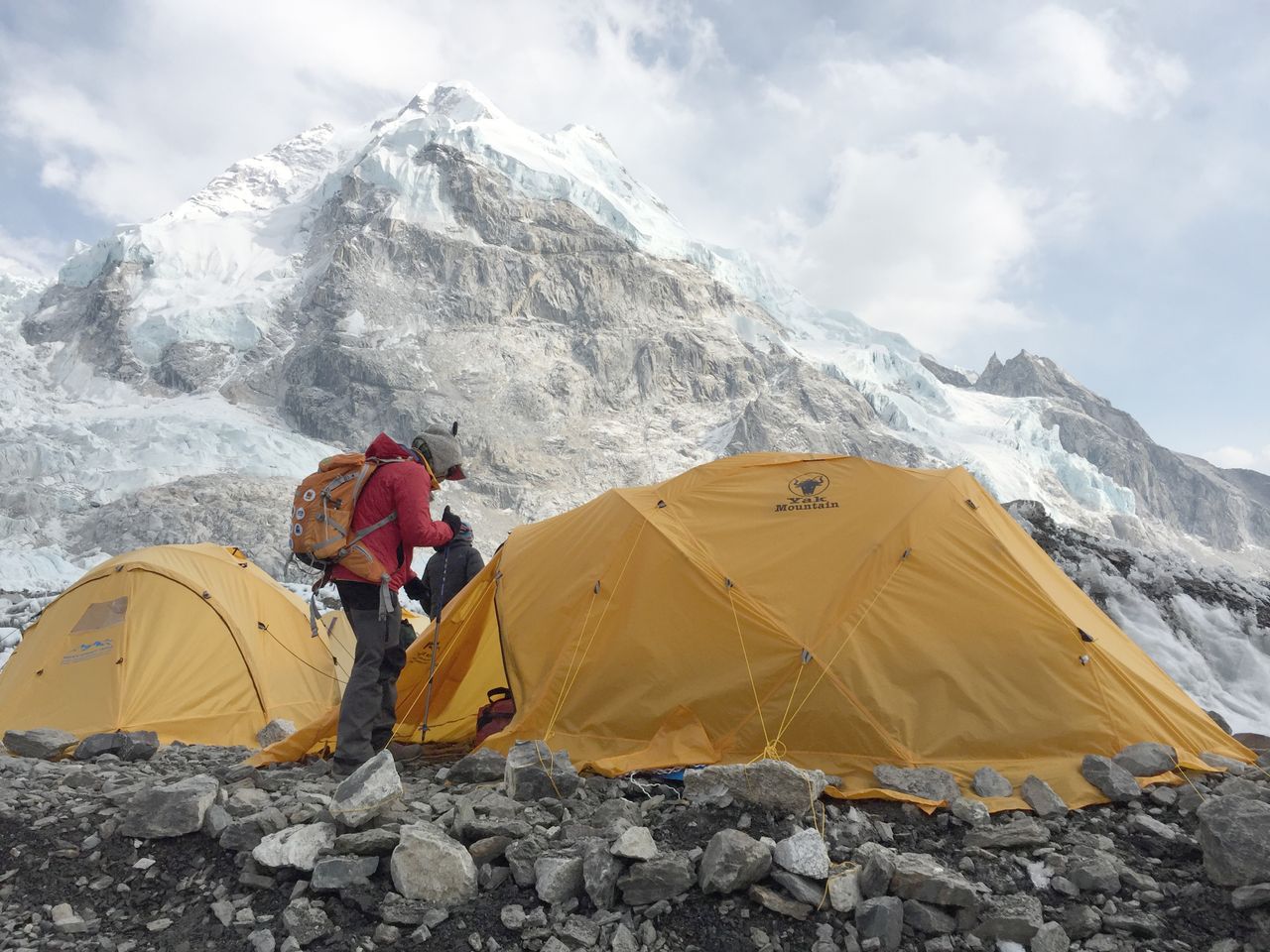
Mera Peak with Everest Base Camp
Eighteen days up the remote Hinku valley to the summit of Mera Peak at 6,476 m, then over the technical Amphu Laptsa pass into the Khumbu and on to Everest Base Camp — an expedition rather than a trek.
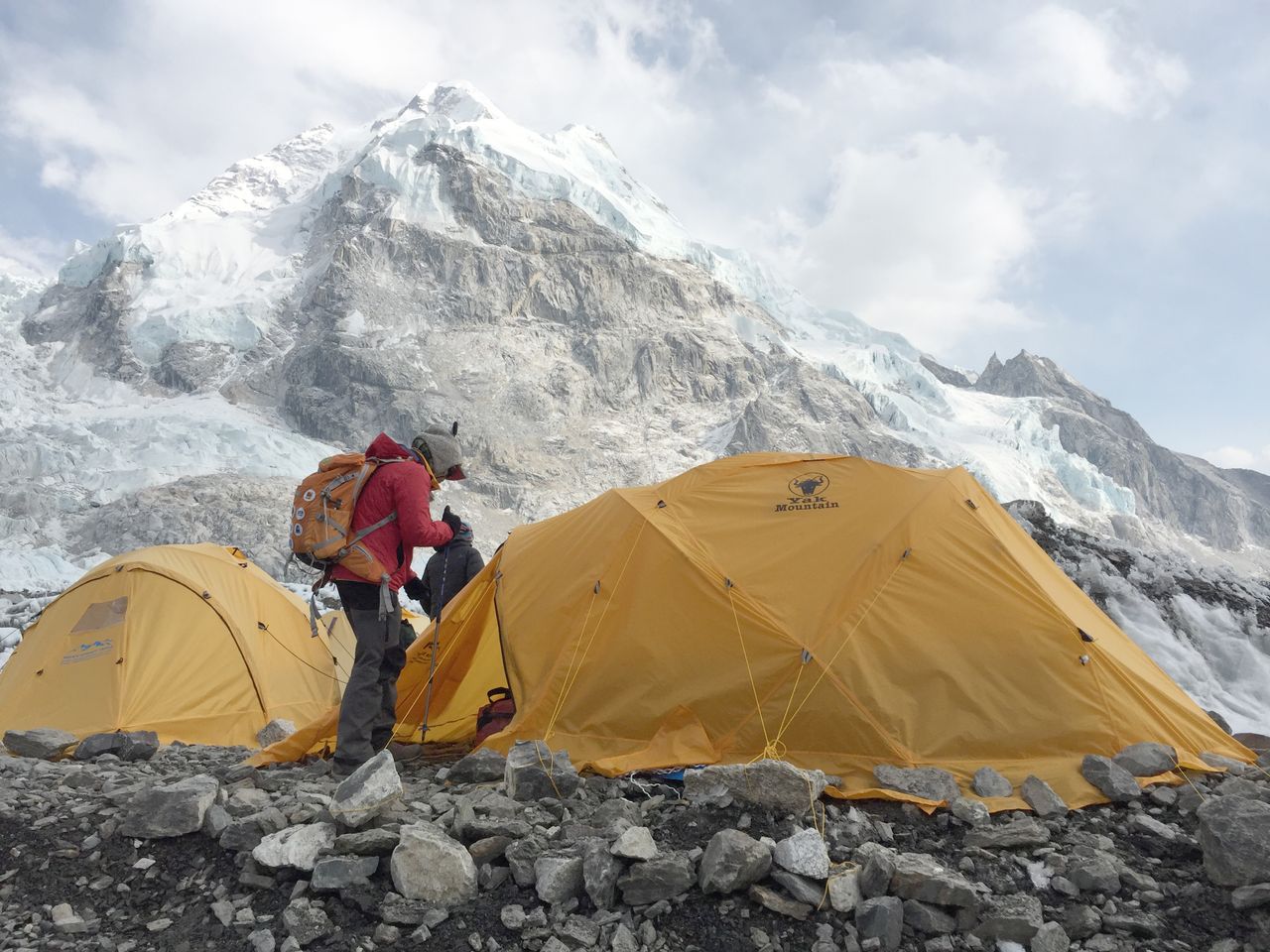
Dhaulagiri Base Camp & French Pass Trek
Sixteen days beneath the seventh-highest mountain on earth, over French Pass at 5,360 m into the Hidden Valley and down to Mustang — a full camping expedition with no lodges above Italian Base Camp.