Trekking
Explore Trekking
Walking between mountain villages, sleeping in teahouses, with a route to match almost any level of experience and time.
How trekking in Nepal actually works
Trekking here is not wilderness backpacking. On the main routes you walk between inhabited villages and sleep in lodges, which means no tent, no stove and no food to carry. This is teahouse trekking, and it is why Nepal is the most accessible high-altitude walking country in the world.
A typical day is five to seven hours with a long lunch stop. You carry a daypack; a porter carries the rest if you want one.
The two styles
Teahouse. Everest, Annapurna, Langtang, Manaslu, Mustang. A private room, a dining hall with a stove, a menu, and usually a hot shower for a small charge. Rooms get simpler and colder the higher you go.
Camping. Required for remote routes without lodge infrastructure — Dolpo, parts of Kanchenjunga, and anything off the established trails. A full crew comes with you: cook, kitchen tent, dining tent. Considerably more expensive and more of an expedition.
Reading the grades
Grading in Nepal is inconsistent between operators, which makes it close to useless for comparison. Ours means this:
- Easy — under 3,000 m, up to five hours a day, no altitude concerns. Poon Hill, the valley rim walks around Kathmandu.
- Moderate — to around 4,000 m, five to seven hours, some long climbs. Annapurna Base Camp, Langtang.
- Challenging — above 5,000 m, consecutive long days, a pass or a viewpoint climb. Everest Base Camp, Annapurna Circuit, Gokyo.
- Strenuous — the above plus remoteness, basic lodging and limited evacuation. Kanchenjunga, Dolpo.
Note what is missing: technical skill. No trek on this list requires rope work or climbing experience. Difficulty in Nepal is a function of altitude, duration and remoteness — not terrain.
The thing that actually decides your trip
It is not fitness. It is altitude, and how your body responds is largely unrelated to how fit you are — marathon runners get altitude sickness and sedentary people sometimes sail through.
What you can control is the rate of ascent. Above 3,000 m the working rule is no more than 500 m of sleeping elevation gained per day, with a rest day every 1,000 m. Every extra day in an itinerary is there for that reason, and the shortest itinerary is almost never the best one.
How long do you need?
With one week: Poon Hill, Langtang, or the short Annapurna Base Camp route. Ten to twelve days: Annapurna Base Camp in full, or Everest Base Camp at a sensible pace. Two weeks or more: the Annapurna Circuit, Gokyo, Manaslu. Three weeks: Kanchenjunga, Dolpo, or Everest with the Cho La and Gokyo combined.
Add two buffer days at the end of any trek involving an internal flight.
Guides and porters
A licensed guide is now required on most trekking routes in Nepal and mandatory in every restricted area. Beyond the rules, a guide is who decides whether the pass is safe and who gets you down if altitude turns. A porter carries around 20 kg and is the single biggest difference to how much you enjoy the walk.
Available Packages
Choose from our carefully curated packages for this activity
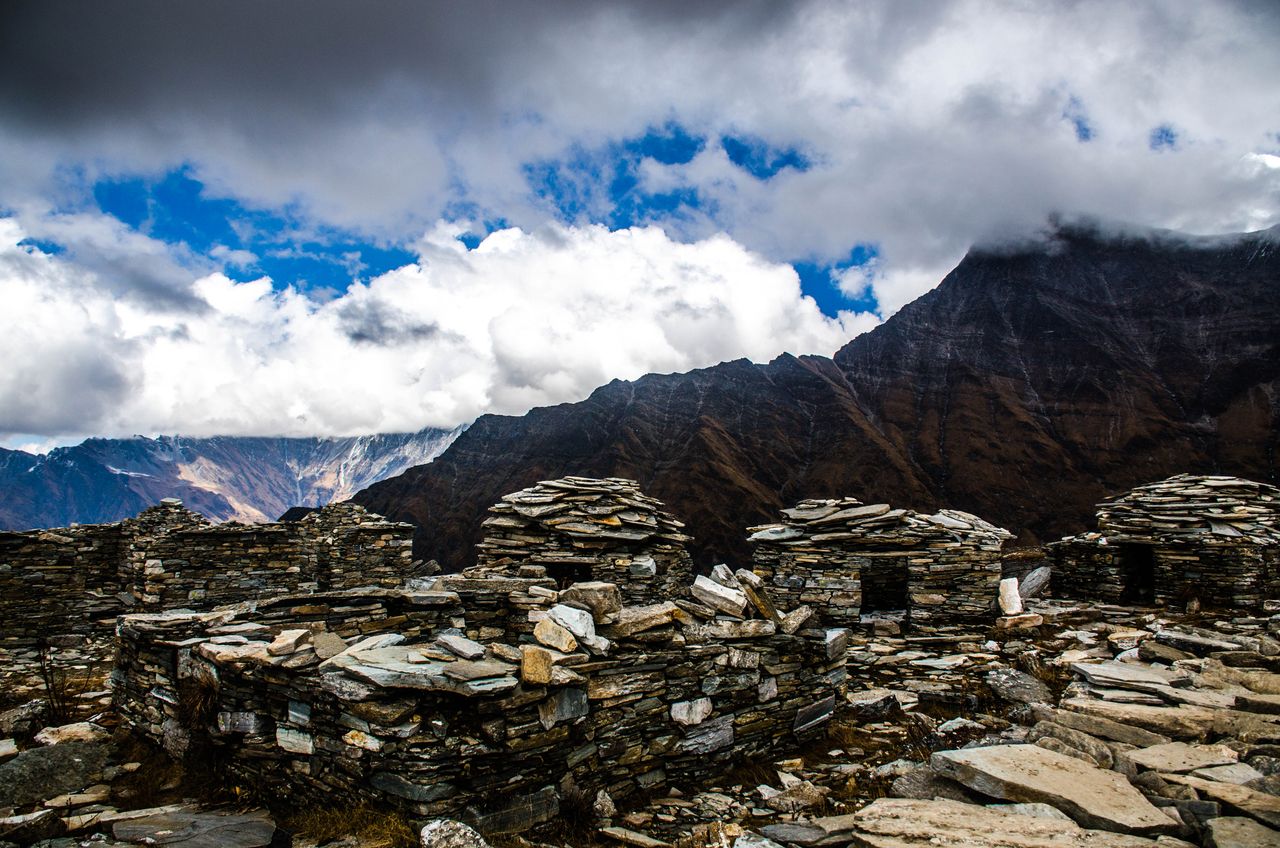
Tamang Heritage Trail Trek
Seven days through Tamang villages in Rasuwa, north of Kathmandu, on a trail that never goes above 3,165 m — the one Himalayan trek where altitude is not a factor you have to plan around.
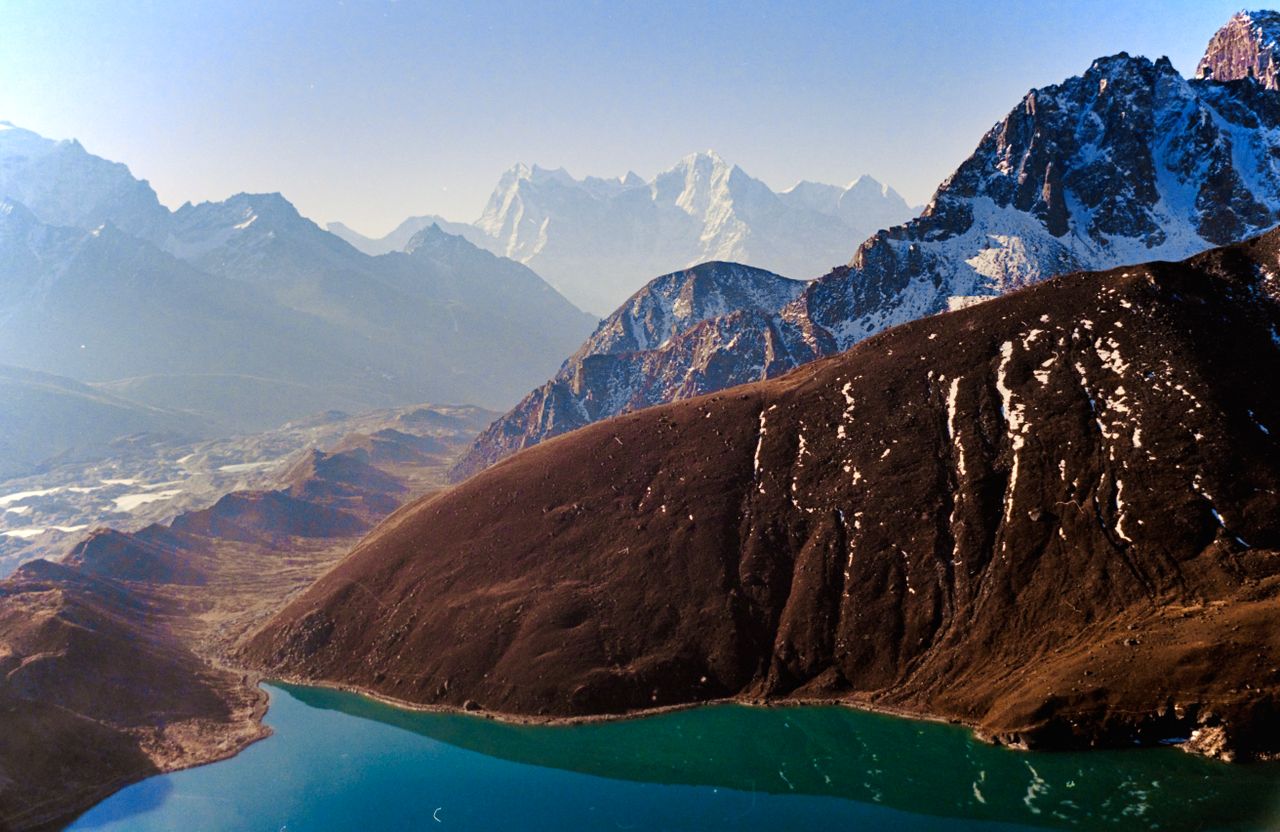
Gokyo Lakes Trek
Twelve days up the Dudh Koshi to the Gokyo lakes at 4,790 m, beside the longest glacier in Nepal, and up Gokyo Ri at 5,357 m for a panorama holding four of the world’s fourteen 8,000 m peaks.
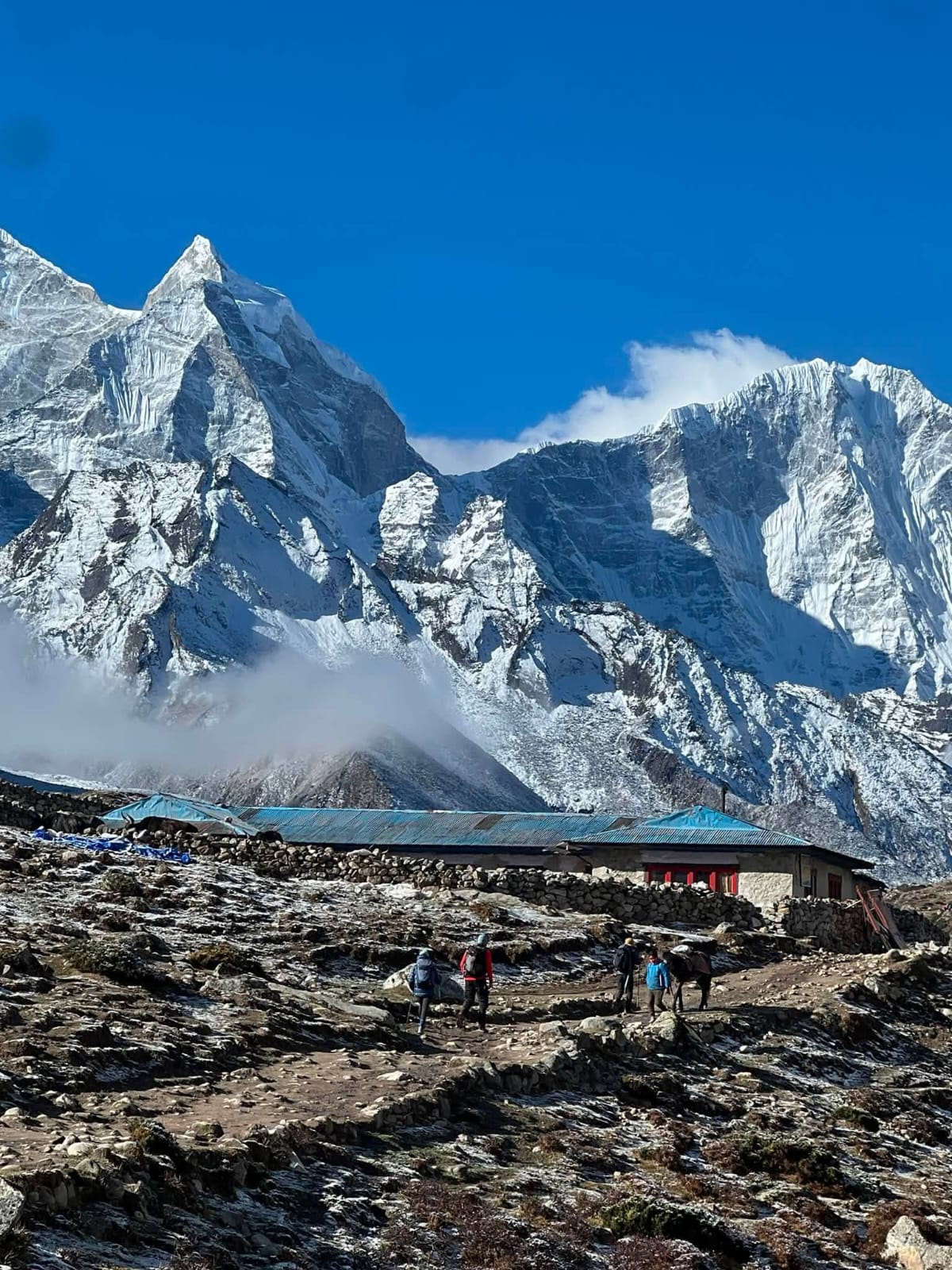
Everest Three Passes Trek
Nineteen days over the Kongma La, Cho La and Renjo La, taking in Everest Base Camp, Kala Patthar and the Gokyo lakes — the hardest trek in Nepal that still sleeps in lodges every night.
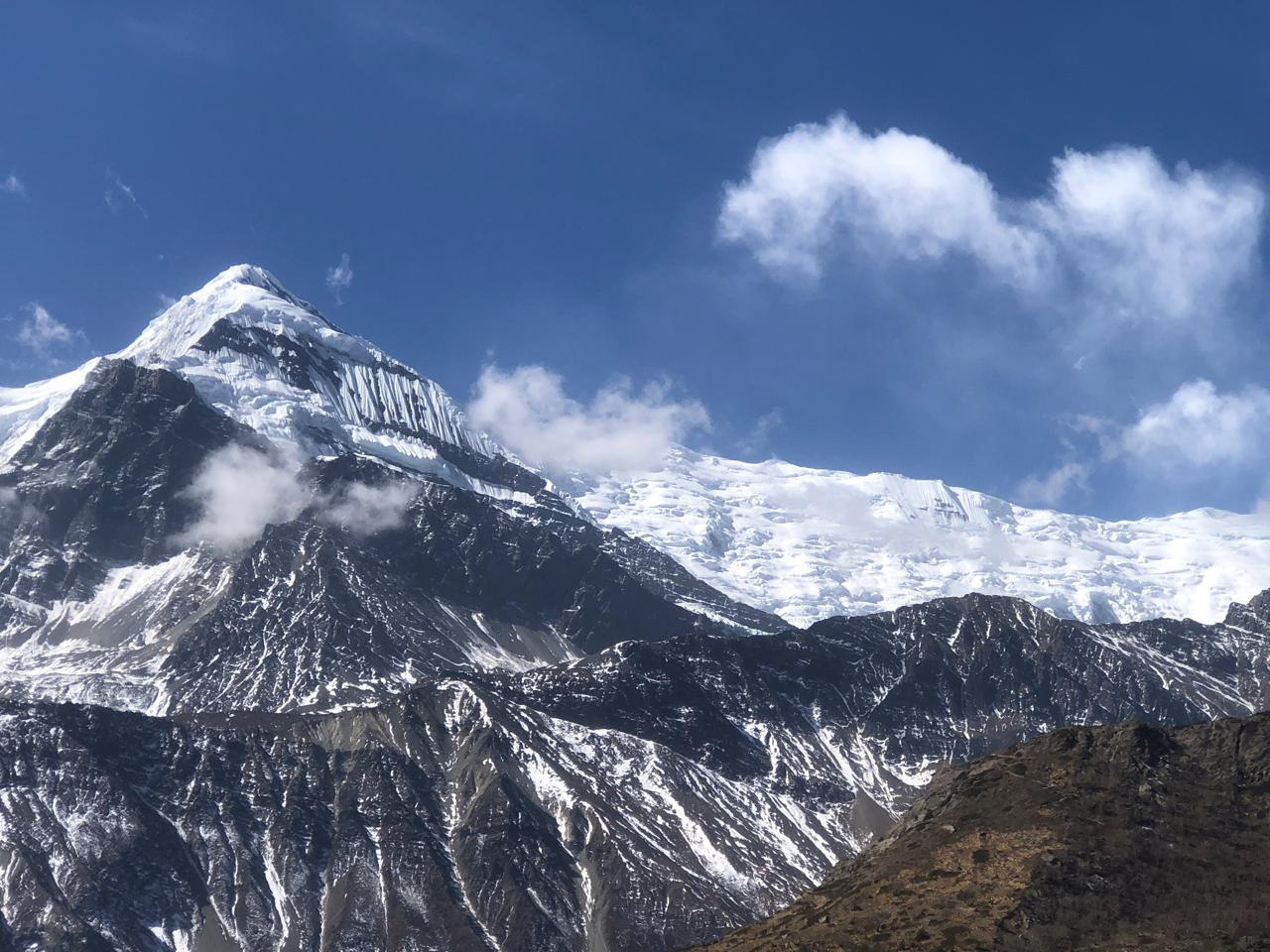
Annapurna Base Camp Trek
Seven days up the Modi Khola into the Annapurna Sanctuary — a glacial amphitheatre at 4,130 m ringed by 7,000 m peaks, and the only trek in Nepal where you sleep inside one.
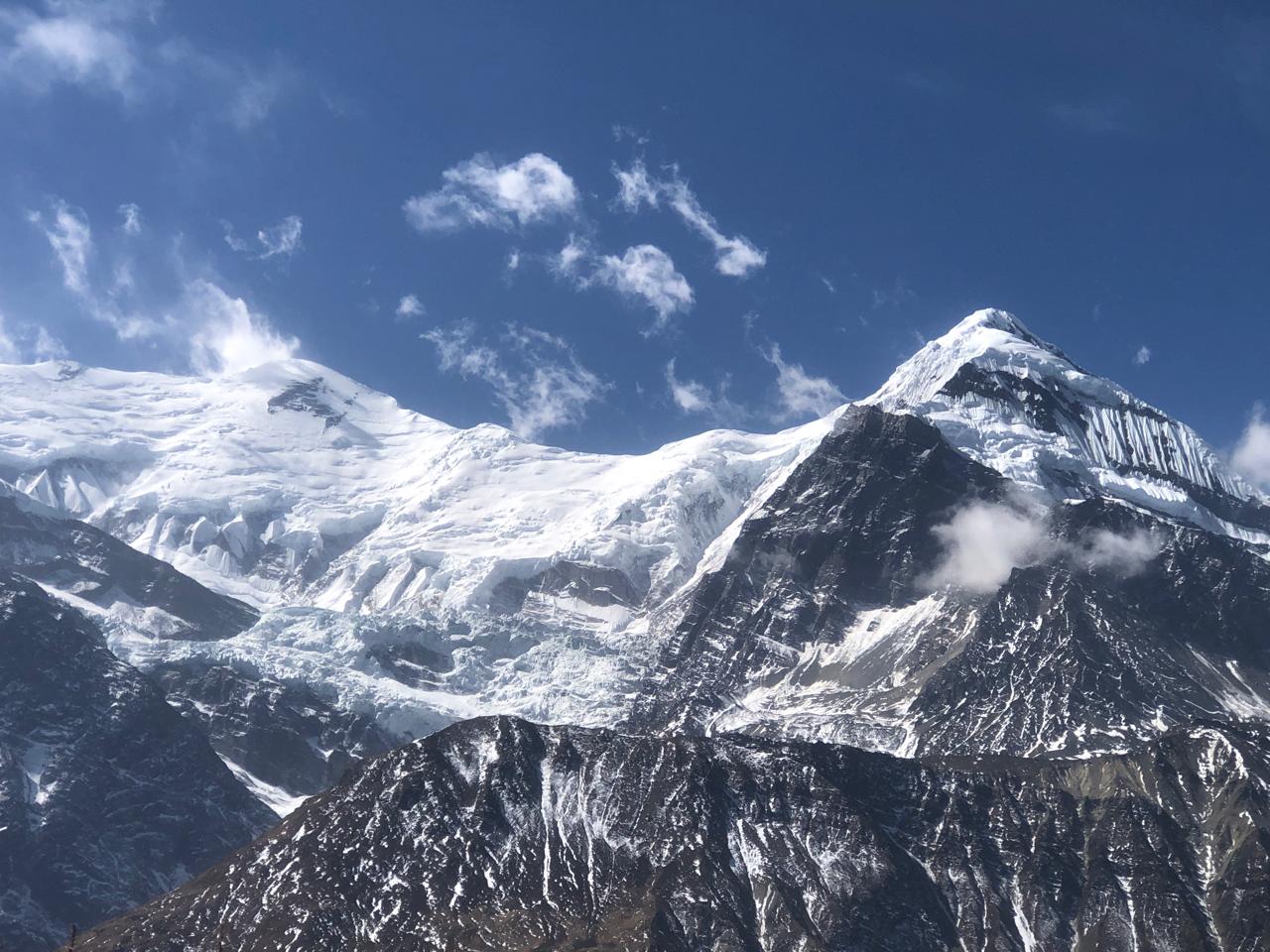
Manaslu Circuit Trek
Twelve days up the Budhi Gandaki and around Manaslu, the eighth-highest mountain on earth, finishing over the 5,106 m Larke La into the Annapurna trail.
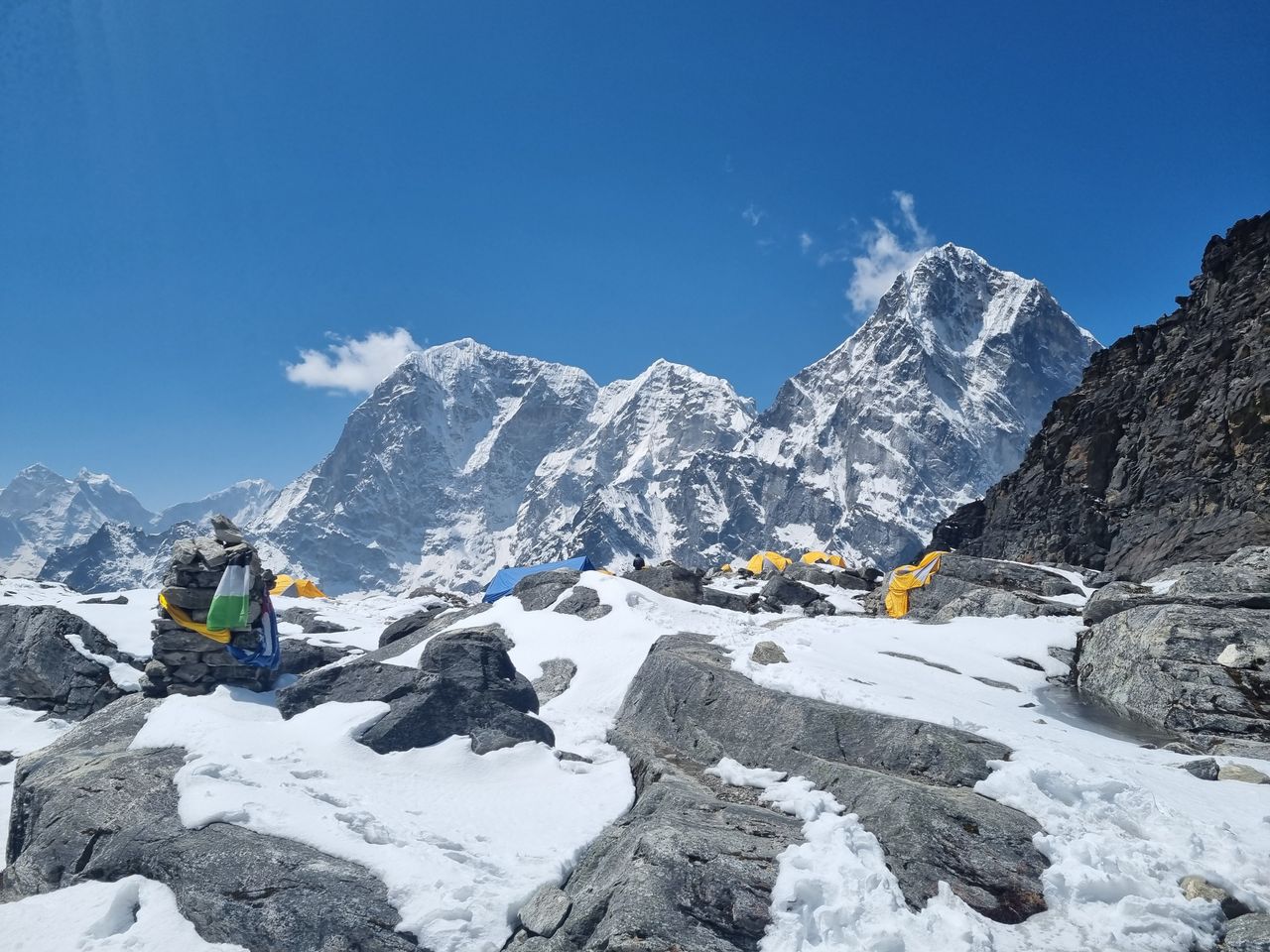
Lobuche Peak with Everest Base Camp
Fifteen days to Everest Base Camp and up Lobuche East at 6,119 m — the peak that rises straight off the Base Camp trail, and the most sustained climbing of the three Khumbu trekking peaks.
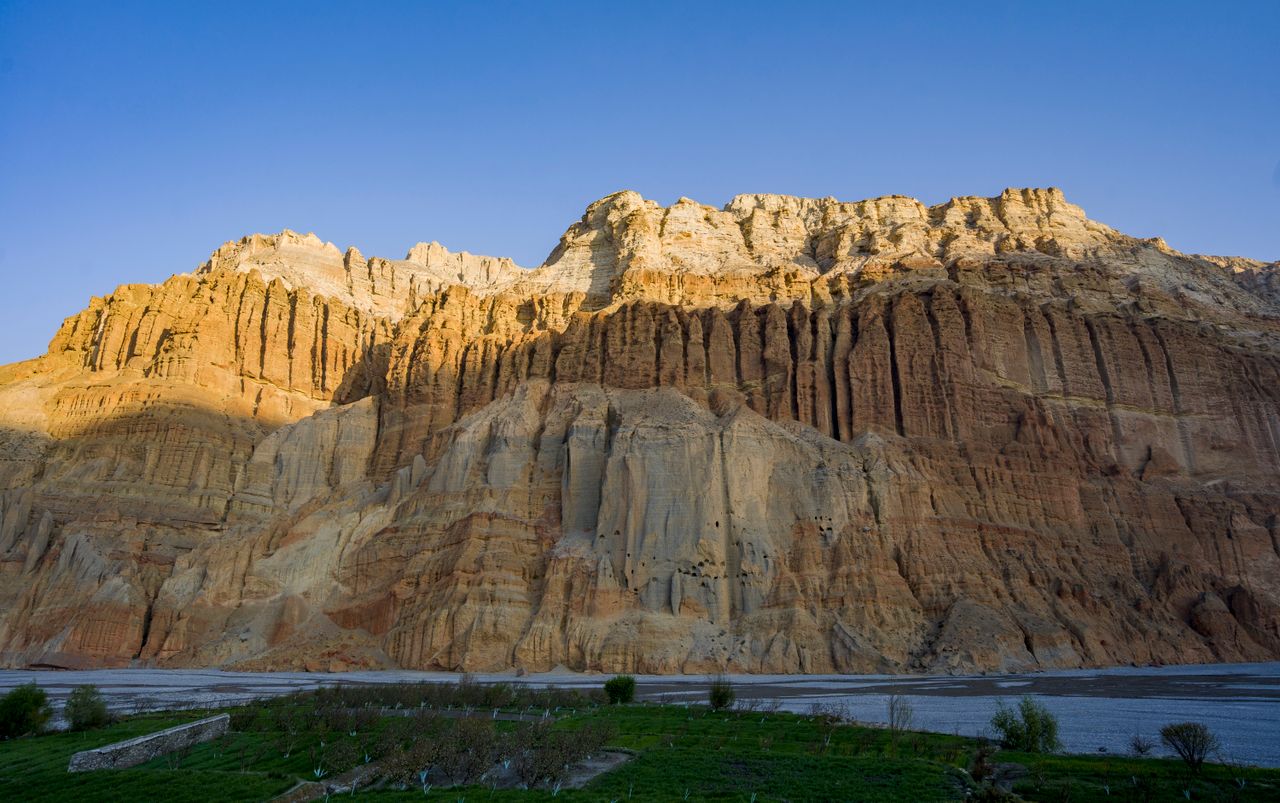
Upper Mustang Trek to Lo Manthang
Thirteen days north of the Himalaya into the old Tibetan kingdom of Lo — red cliffs, cave cities, and a walled capital at 3,840 m — and the one trek in Nepal that works during the monsoon.
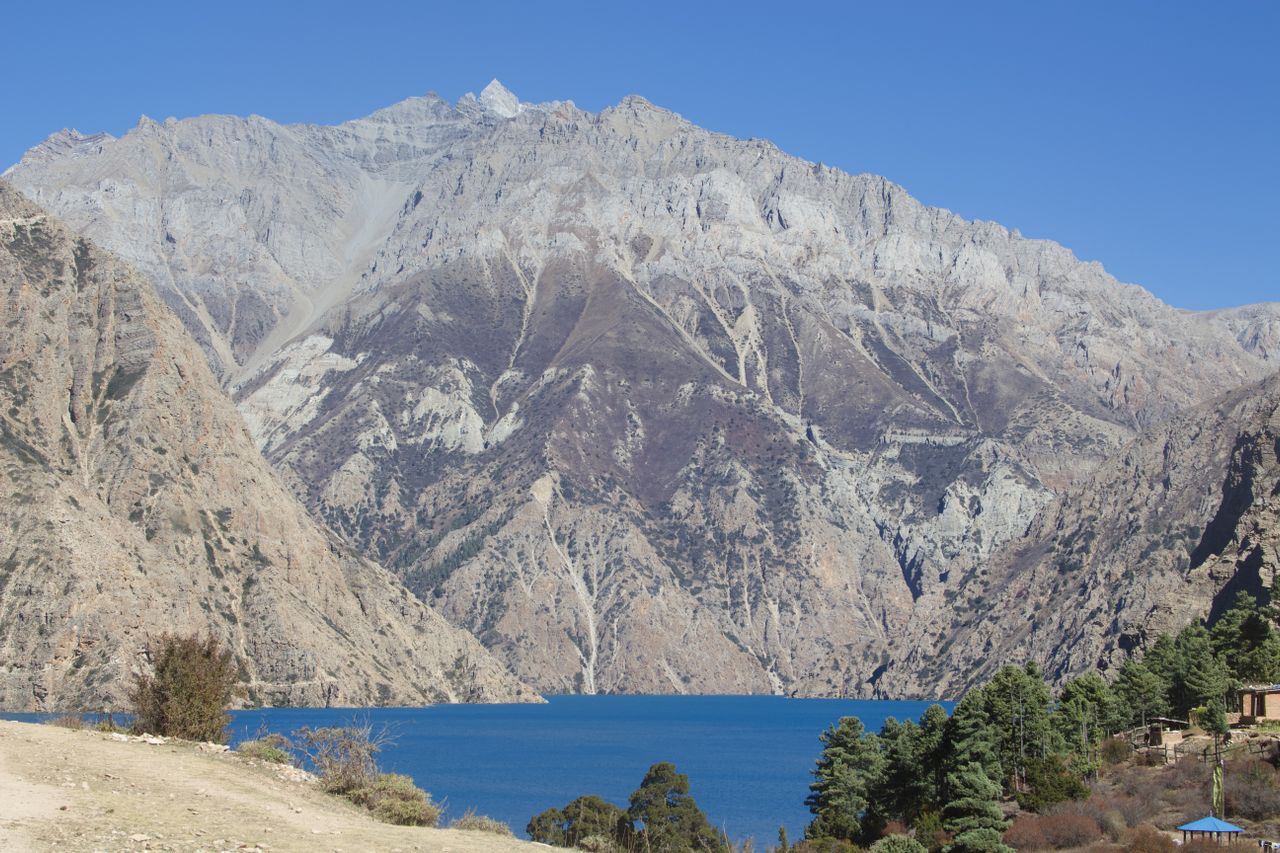
Upper Dolpo Trek
Twenty-five days across the high Tibetan plateau of Upper Dolpo — Phoksundo Lake, the Crystal Mountain at Shey, four passes over 5,000 m, and a full camping crew because there is nothing else out there.
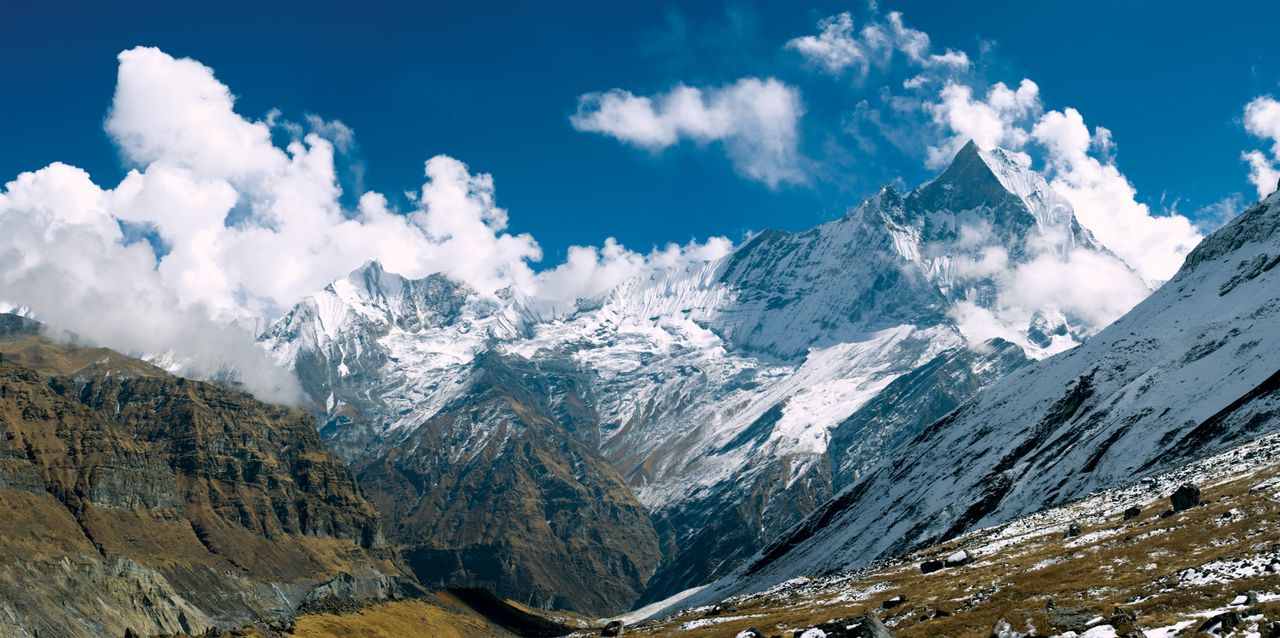
Api Himal Base Camp Trek
Thirteen days into Darchula, the far north-west corner of Nepal, beneath Api at 7,132 m — a region that receives fewer trekkers in a year than Poon Hill sees on a good morning.
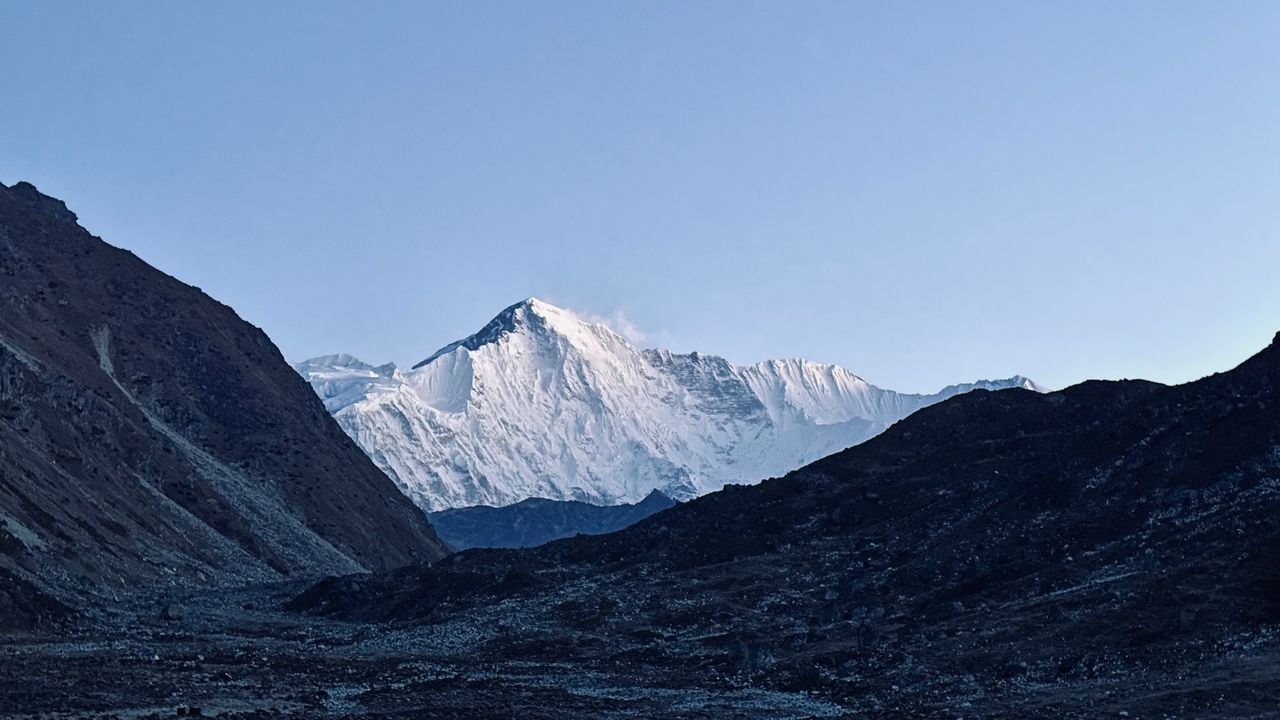
Makalu Base Camp Trek
Nineteen days up the Barun valley to the foot of the world's fifth-highest mountain — three passes on the way in, no road, no shortcut, and a base camp amphitheatre that very few people ever stand in.
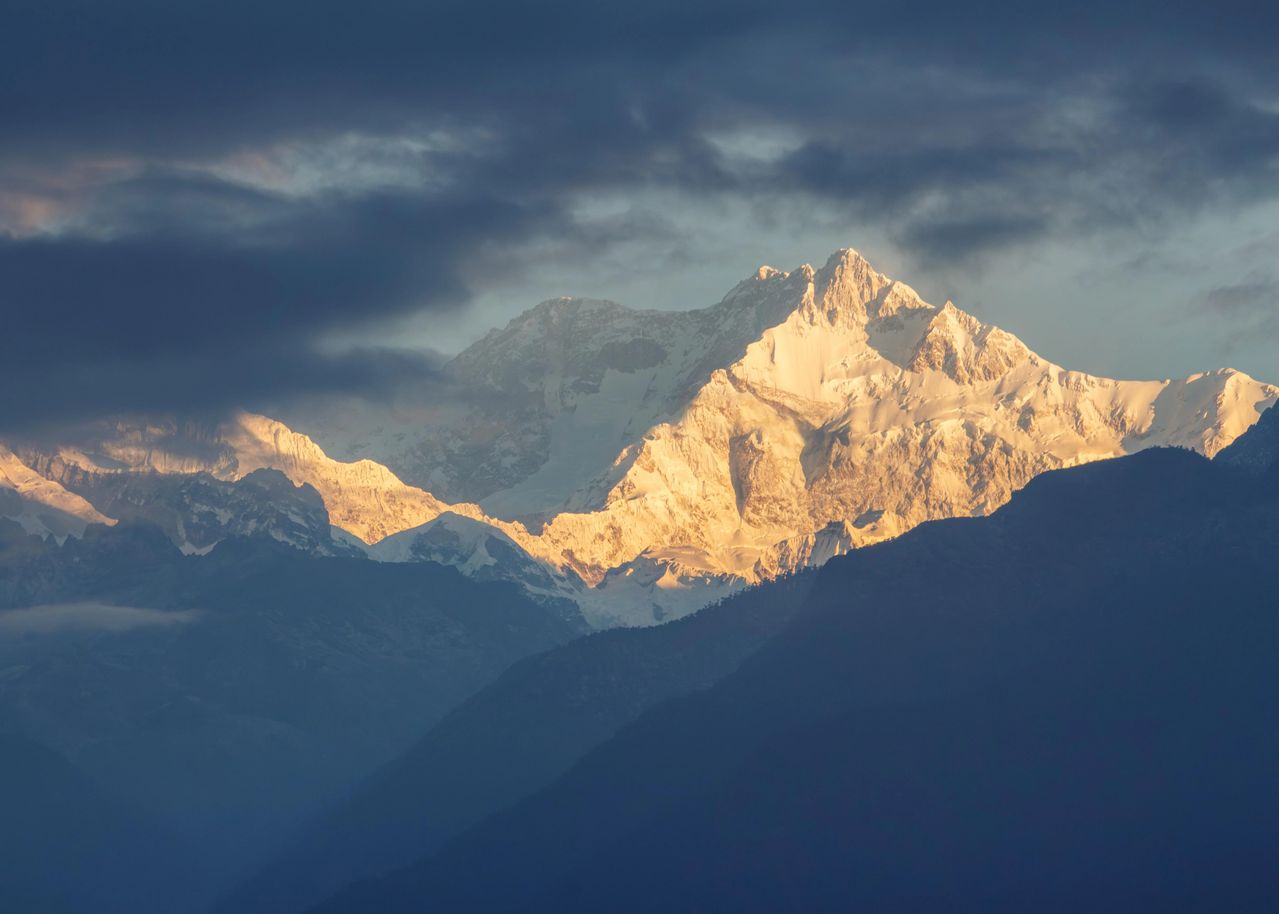
Kanchenjunga Base Camp Trek
Twenty days to the foot of the third-highest mountain on earth, reaching both the north base camp at Pangpema (5,143 m) and the southern viewpoint at Oktang — the longest walk-in of any trek we run.
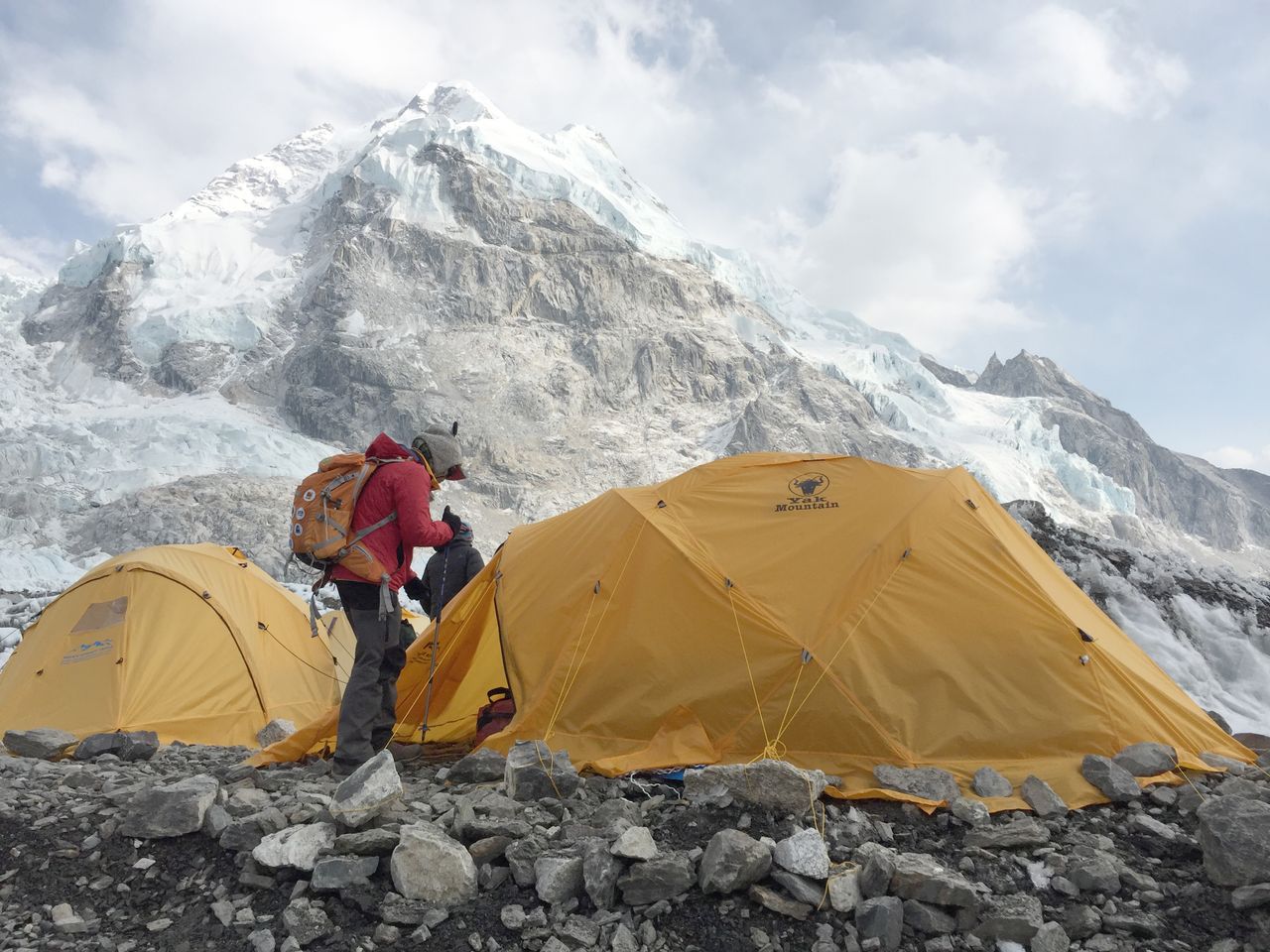
Dhaulagiri Base Camp & French Pass Trek
Sixteen days beneath the seventh-highest mountain on earth, over French Pass at 5,360 m into the Hidden Valley and down to Mustang — a full camping expedition with no lodges above Italian Base Camp.
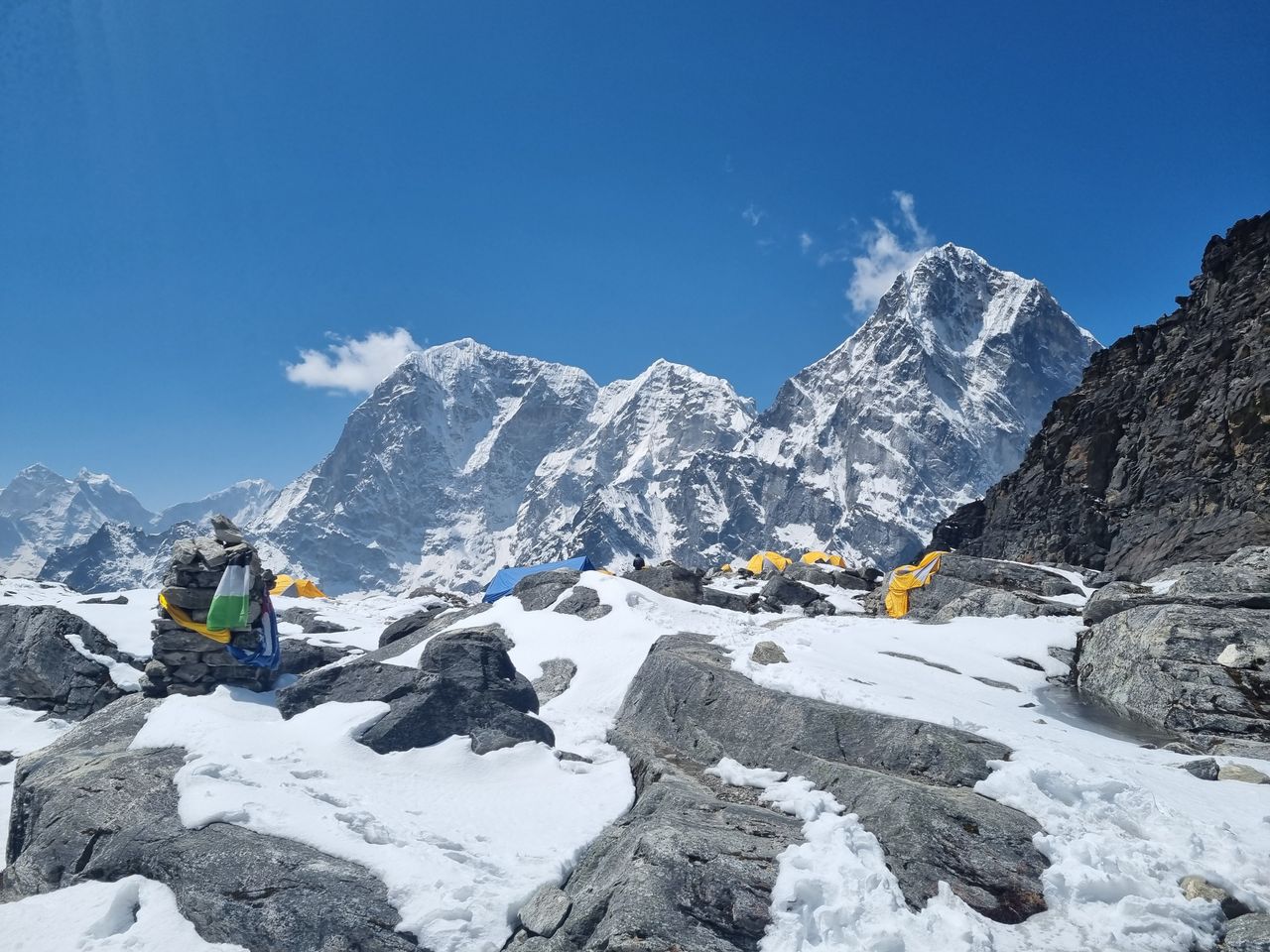
Island Peak with Everest Base Camp
Fifteen days combining the walk to Everest Base Camp with the ascent of Island Peak at 6,189 m — the most accessible first 6,000 m summit in Nepal, and considerably more technical than the phrase "trekking peak" suggests.
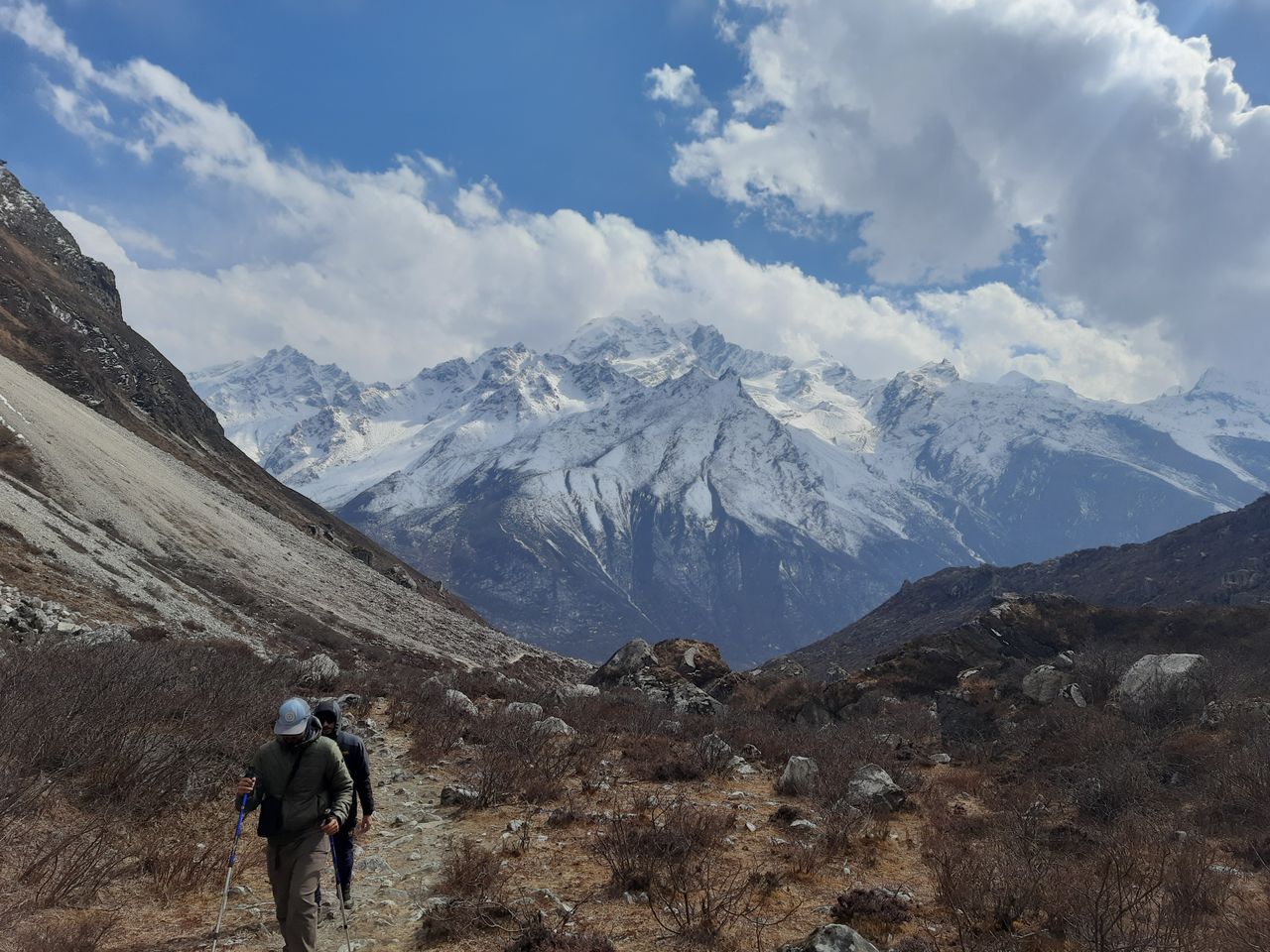
Langtang Valley Trek
Eight days into the valley directly north of Kathmandu — glacier-head scenery at Kyanjin Gompa, a 4,985 m viewpoint above it, and a community that rebuilt the whole village after 2015.
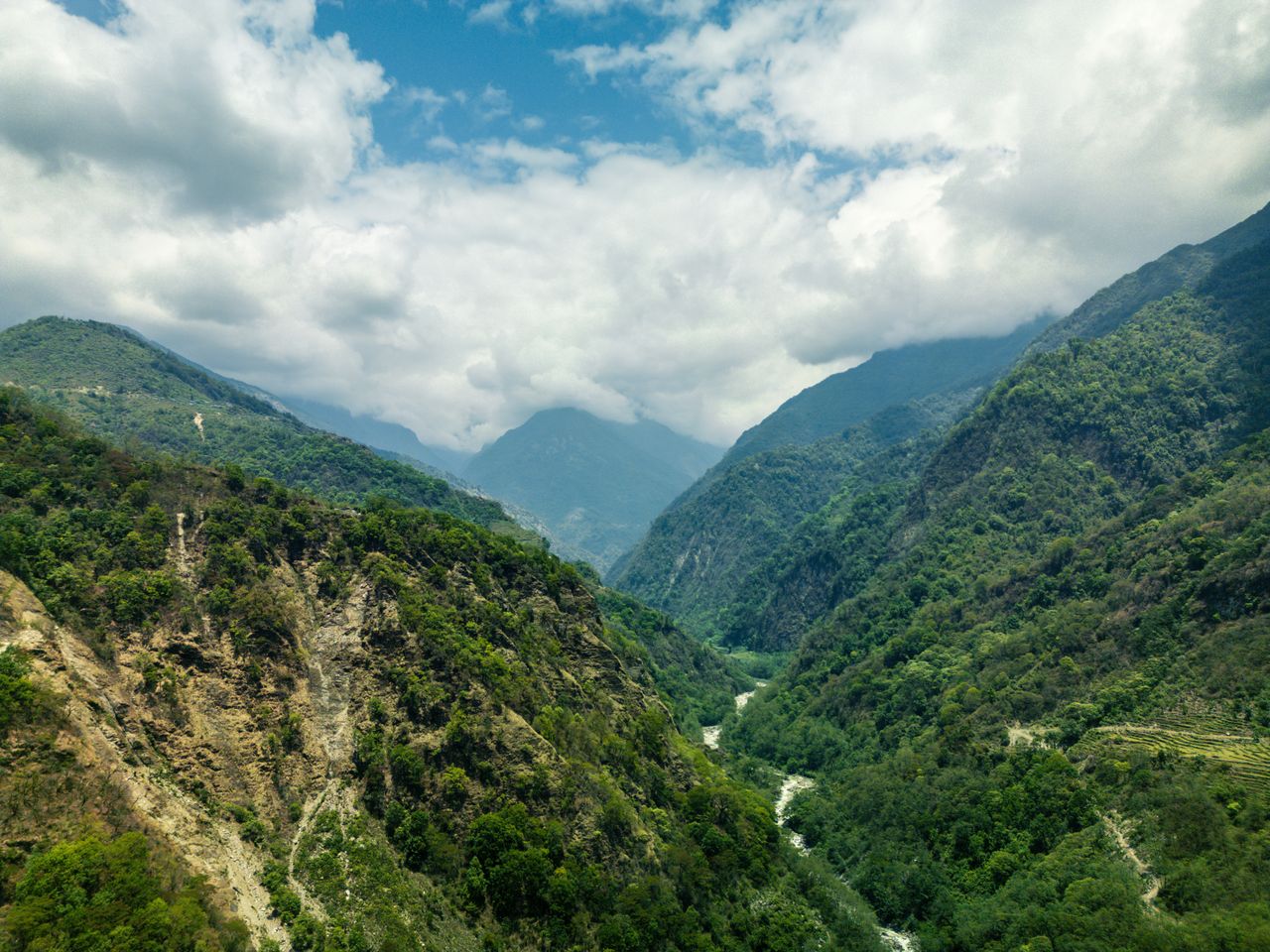
Ruby Valley Trek
Nine days across the Ganesh Himal foothills between the Langtang and Manaslu trails — homestays rather than lodges, a 3,850 m pass, and a stretch of country most trekkers in Nepal have never heard of.
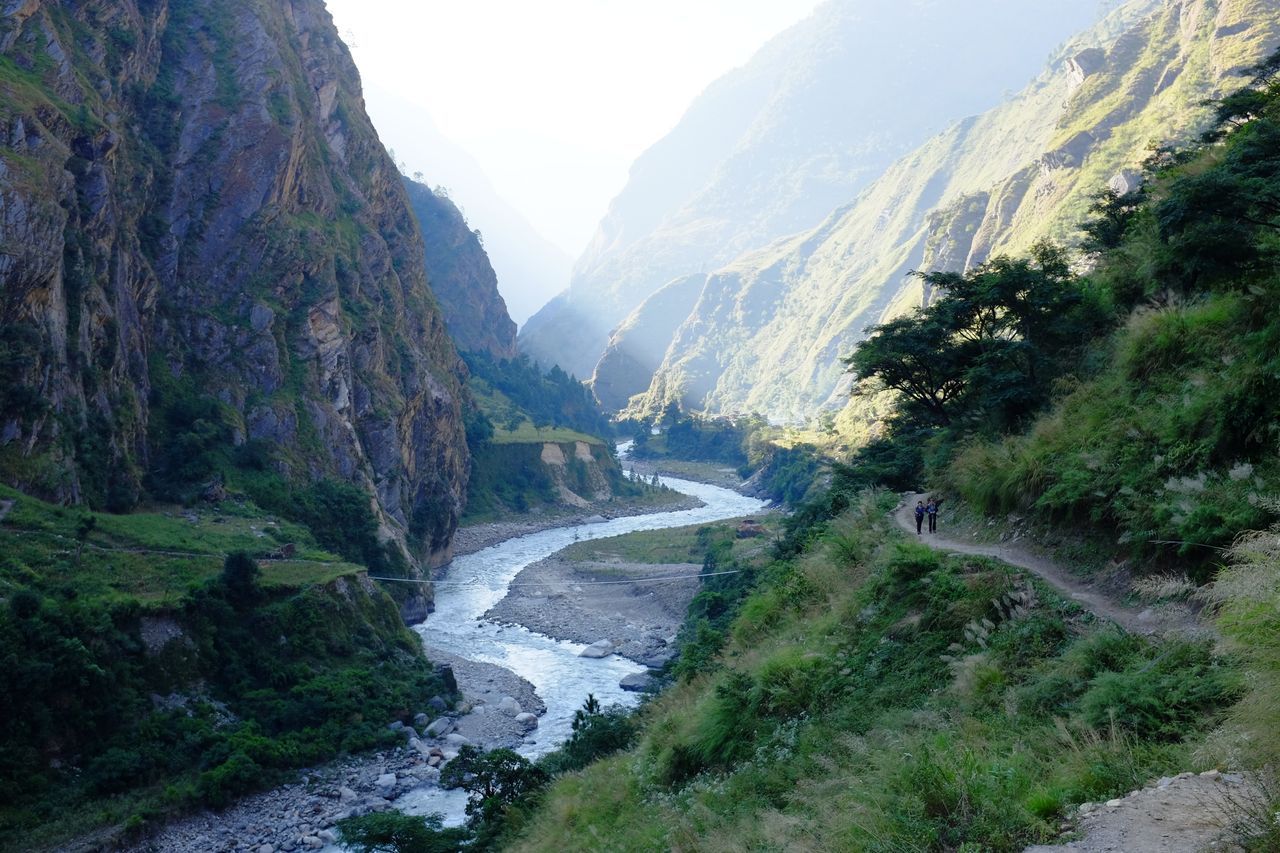
Nar Phu Valley Trek
Twelve days into two Tibetan villages that were closed to outsiders until 2002, reached through a gorge and left over the 5,320 m Kang La — the emptiest corner of the Annapurna region.
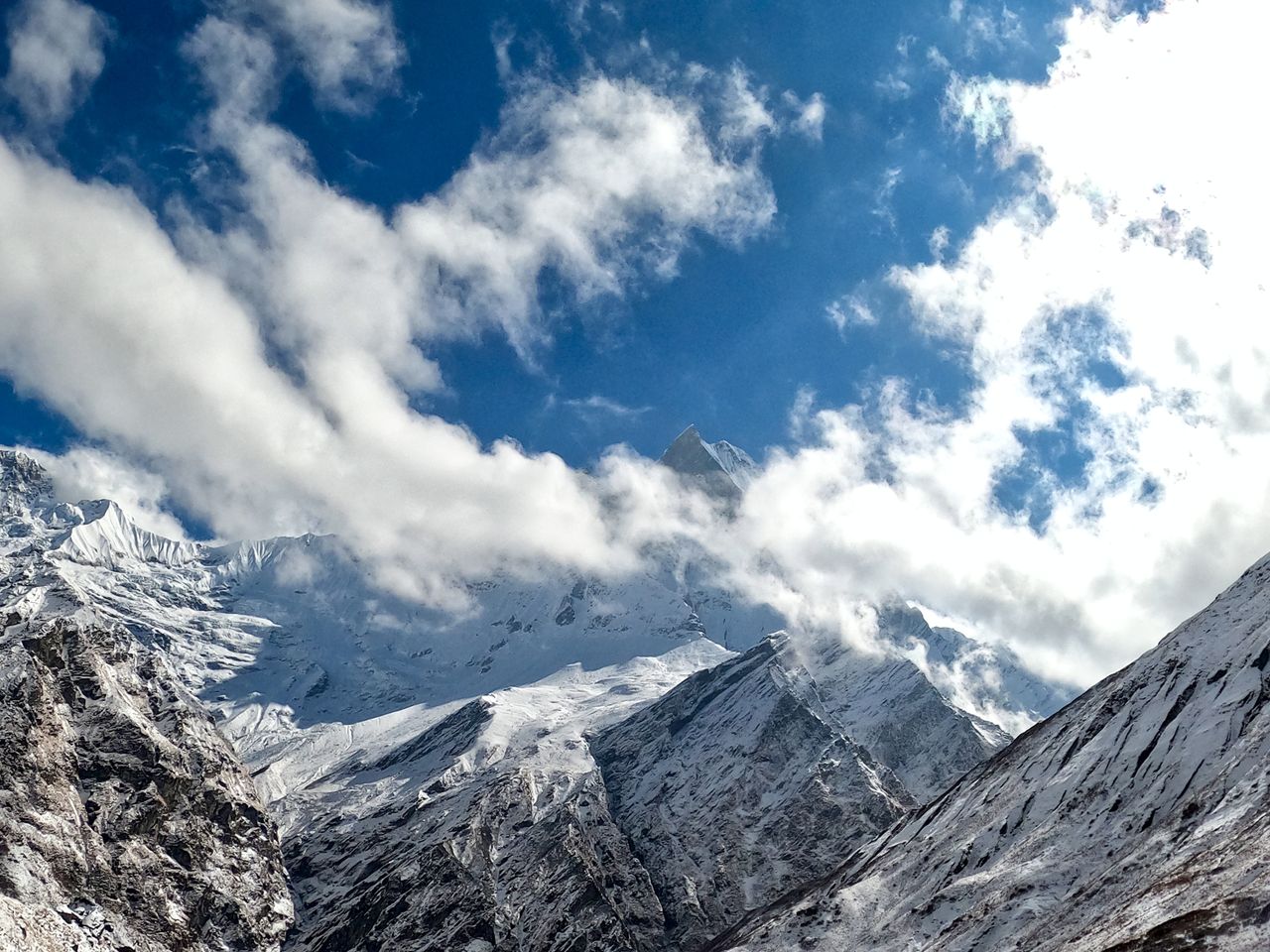
Tsum Valley Trek
Fourteen days into a valley the Tibetan tradition calls a beyul — a hidden sanctuary — where the community took a vow against killing animals and has kept it. A pilgrimage route that happens to be a trek.
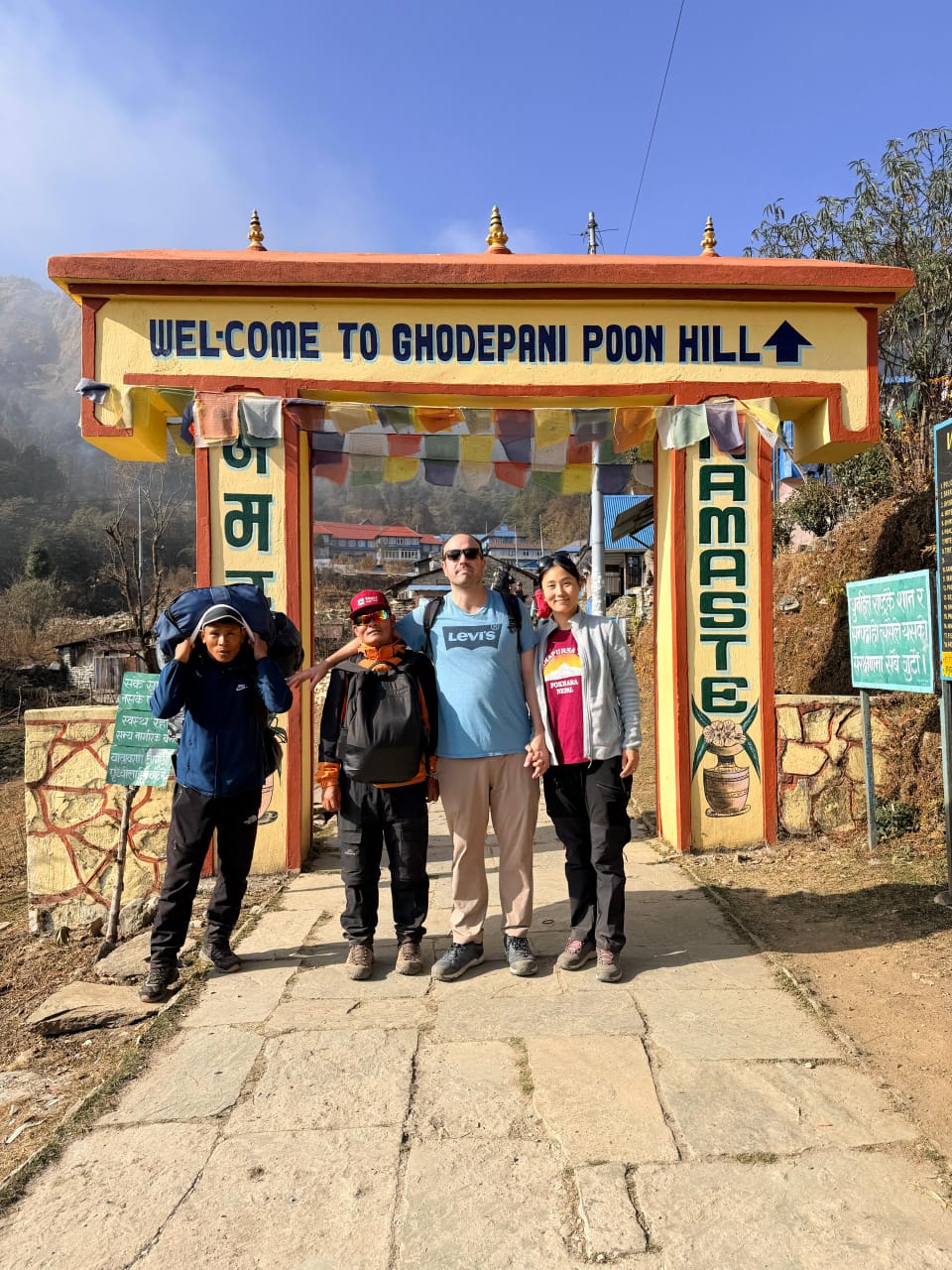
Ghorepani Poon Hill Trek
Four days from Pokhara to a sunrise over Dhaulagiri and Annapurna, through rhododendron forest and Gurung villages — the best short trek in Nepal for a first visit.
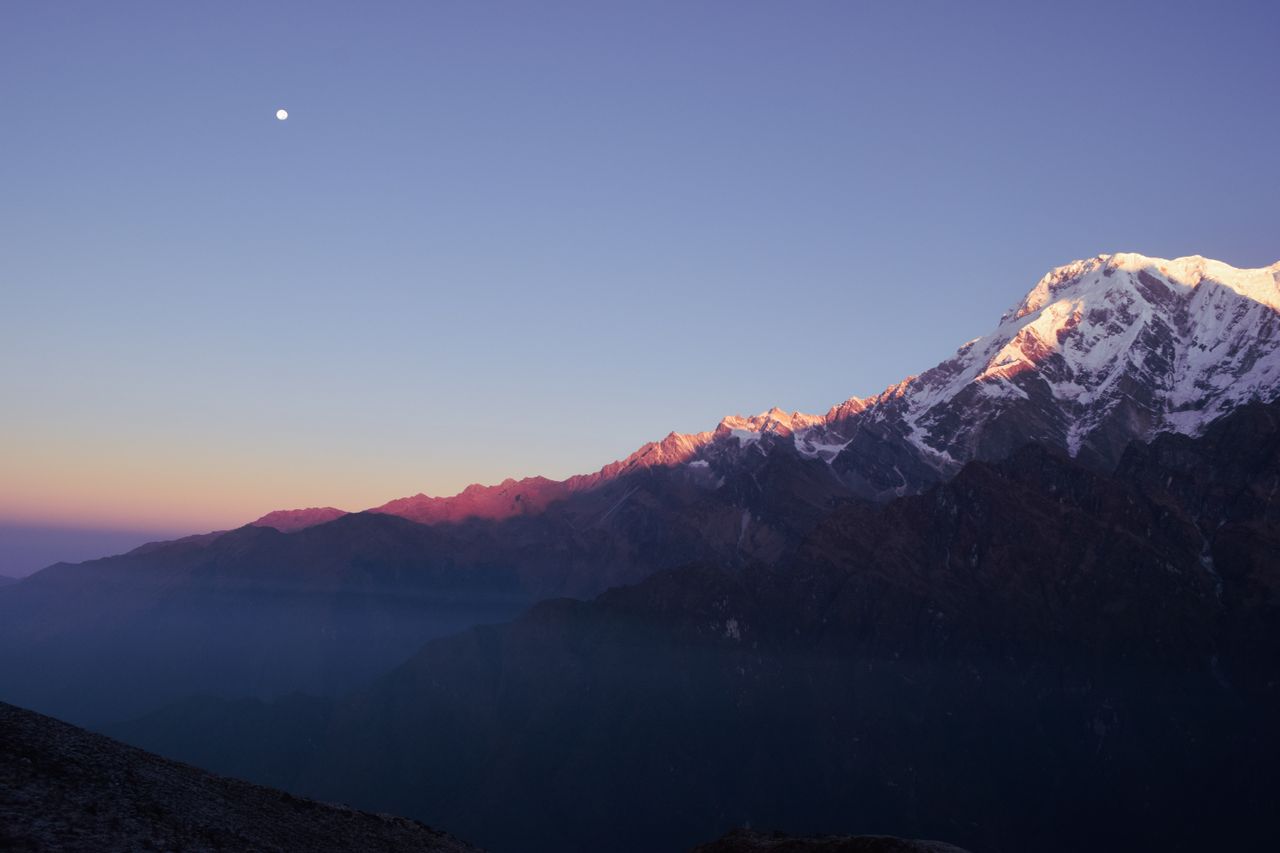
Mardi Himal Trek
Four days on a ridge directly beneath Machhapuchhre — a trail only opened in 2012, and the short trek in the Annapurnas that rewards the effort most.

Khopra Danda & Khayer Lake Trek
Seven days onto a ridge that faces Dhaulagiri head-on, with an optional dawn climb to a sacred lake at 4,660 m — and community-owned lodges the whole way.
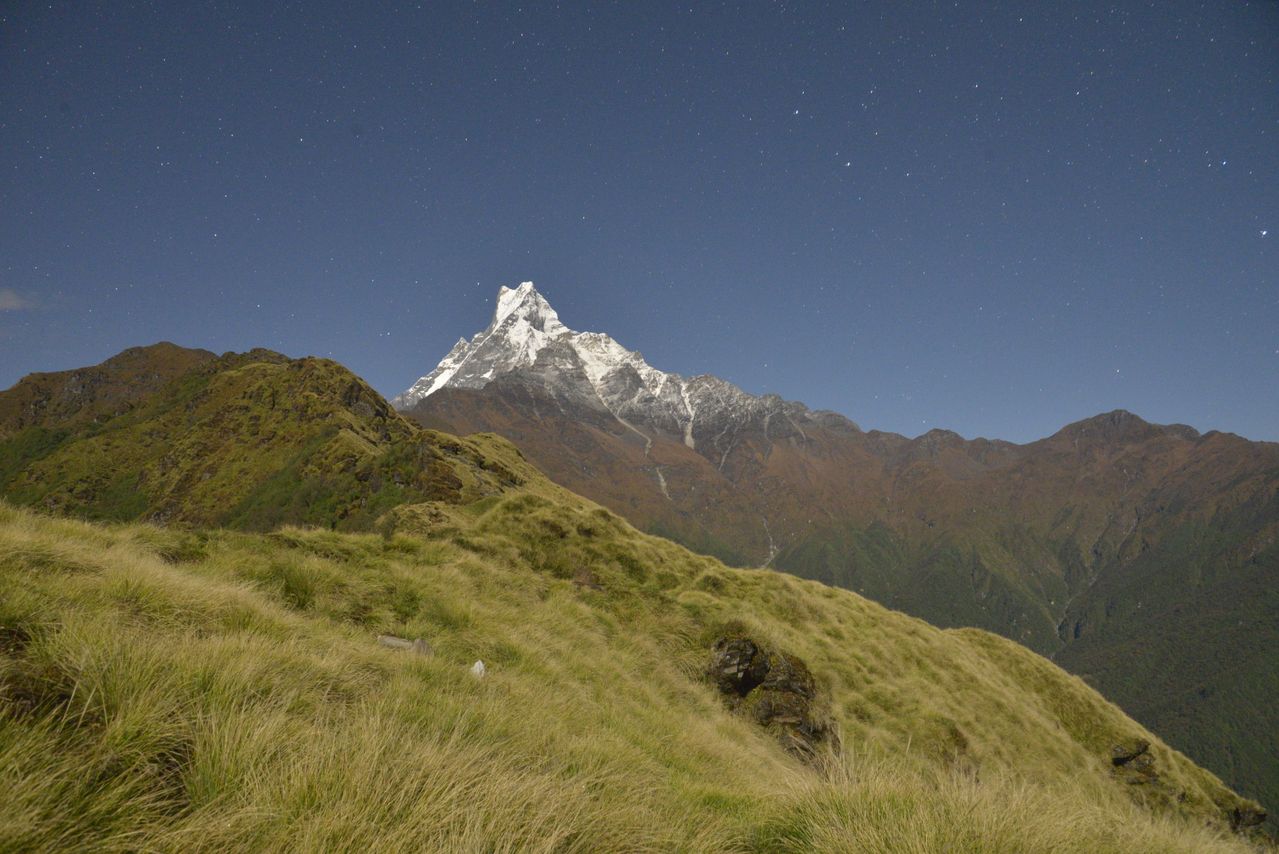
Muldai View Point Trek
Four days to a viewpoint 427 m higher than Poon Hill, on the same side of the same mountains, with a fraction of the people on it — Tadapani, the Dobato ridge, and a sunrise at Muldai.
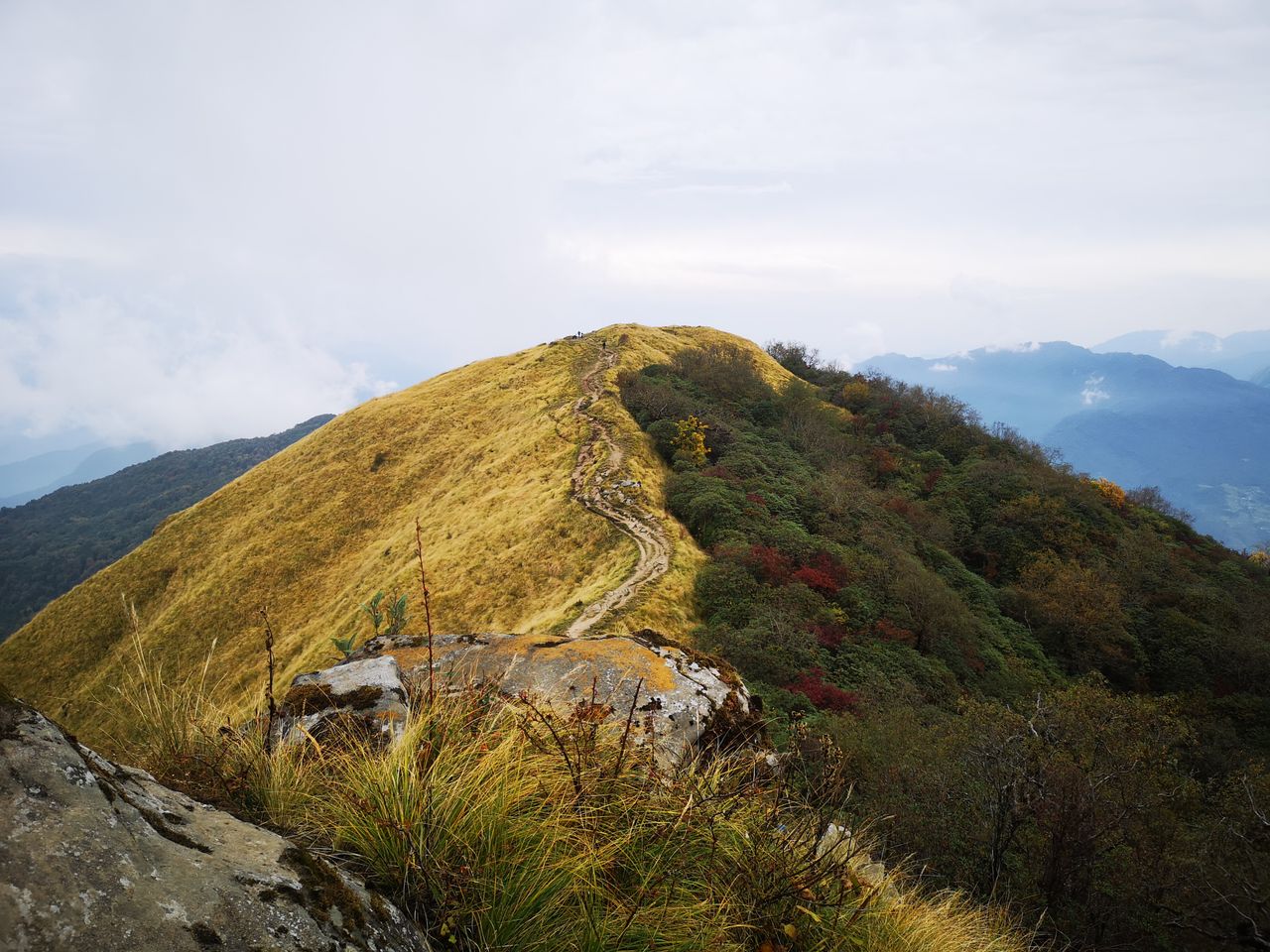
Khumai Danda Trek
Three days, one ridge, and Machhapuchhre close enough to pick out individual gullies — the shortest route from Pokhara to a genuine high viewpoint, on a trail the villages below built themselves.
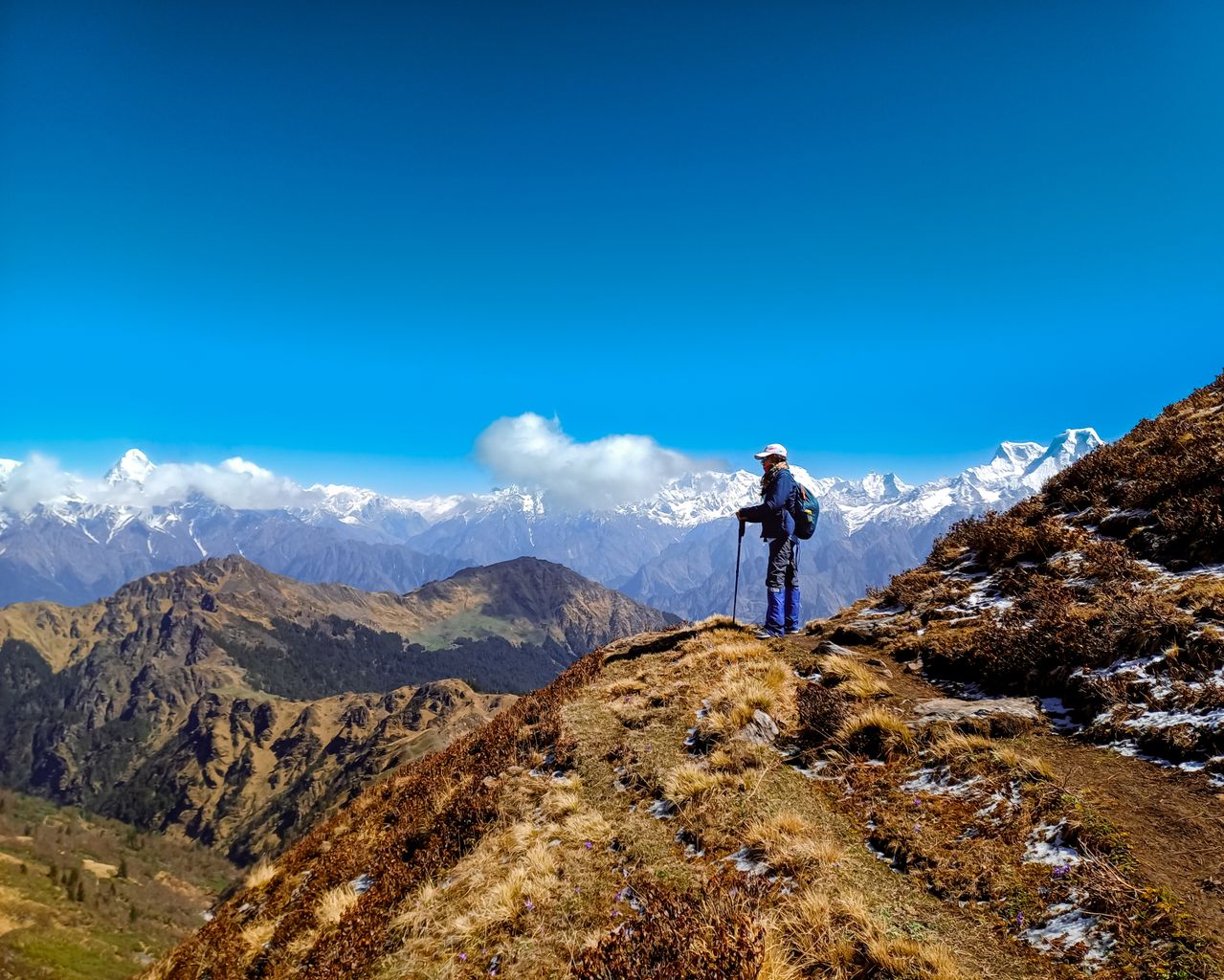
Kori Danda Trek
Four days to a 3,800 m grazing ridge on the eastern side of the Annapurnas — the aspect almost nobody photographs — starting from Sikles, among the largest and least altered Gurung villages in Nepal.
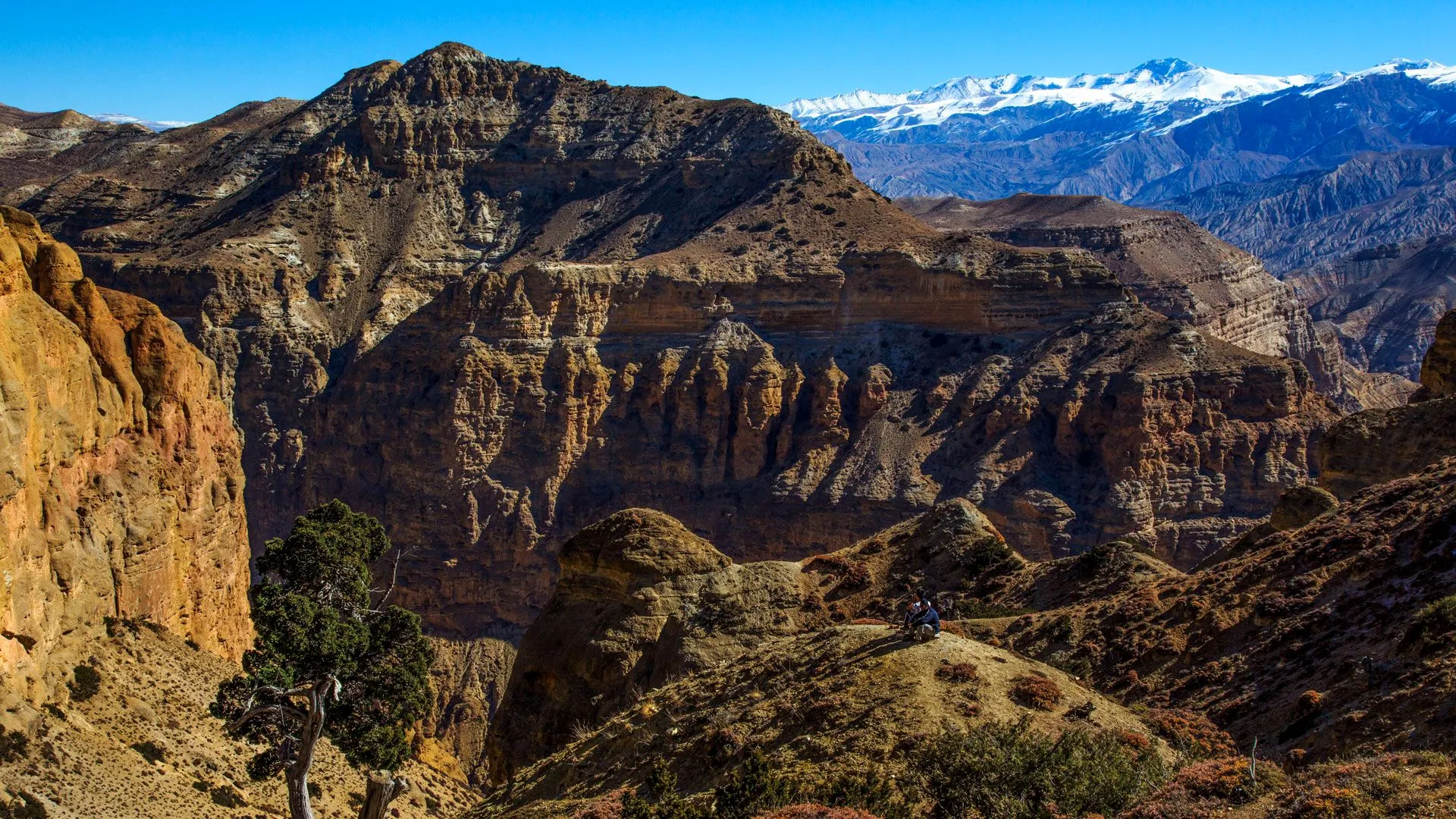
Mohare Danda Trek
Four days on a trail whose lodges are owned by the villages that run them, climbing to a 3,300 m ridge with Dhaulagiri directly opposite, and finishing over Poon Hill from the quiet side.
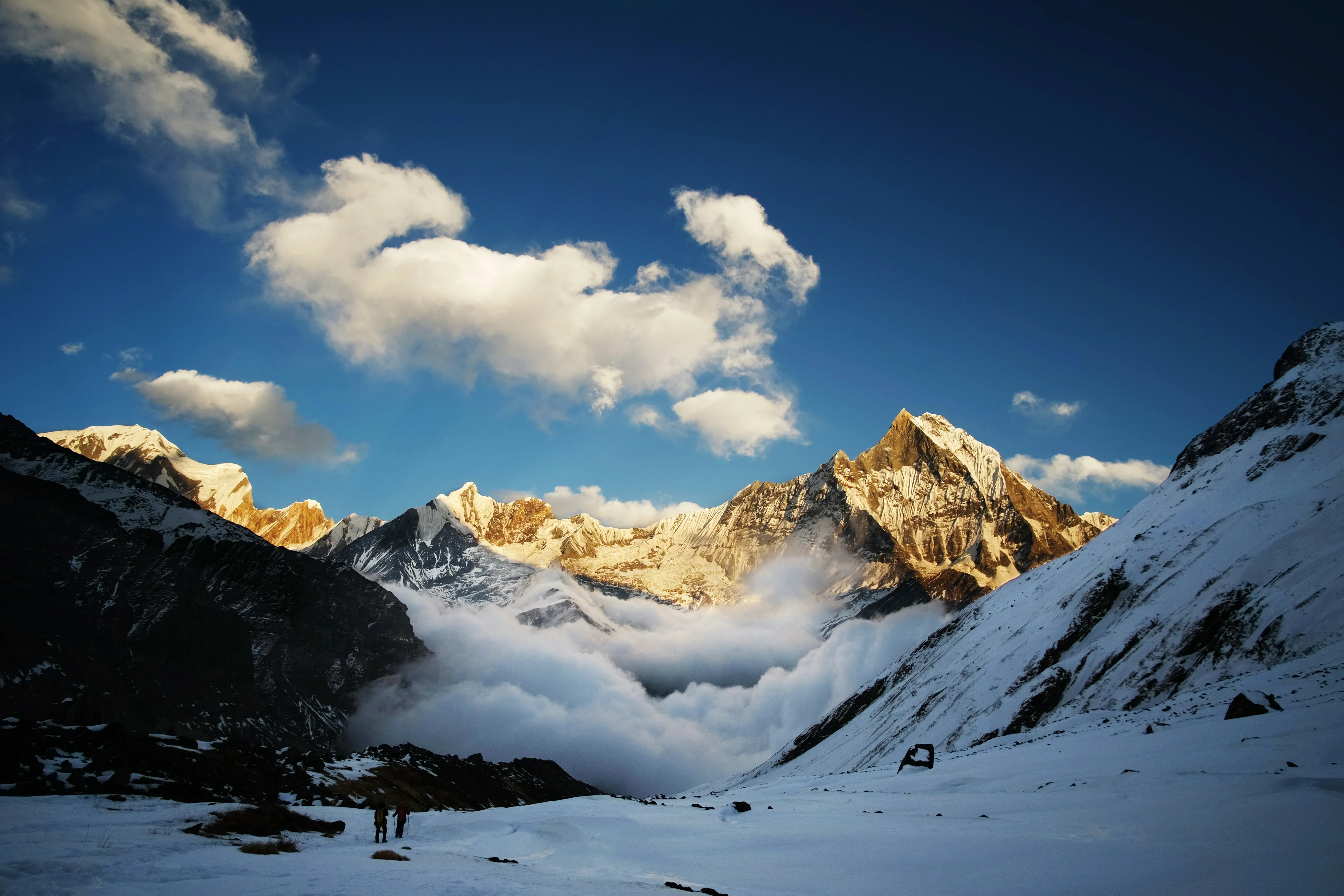
Annapurna Circuit with Tilicho Lake
Eleven days around the Annapurna massif taking in Tilicho Lake at 4,919 m and the Thorong La at 5,416 m — starting at Chame by jeep so the walking begins where the trail is still a trail.
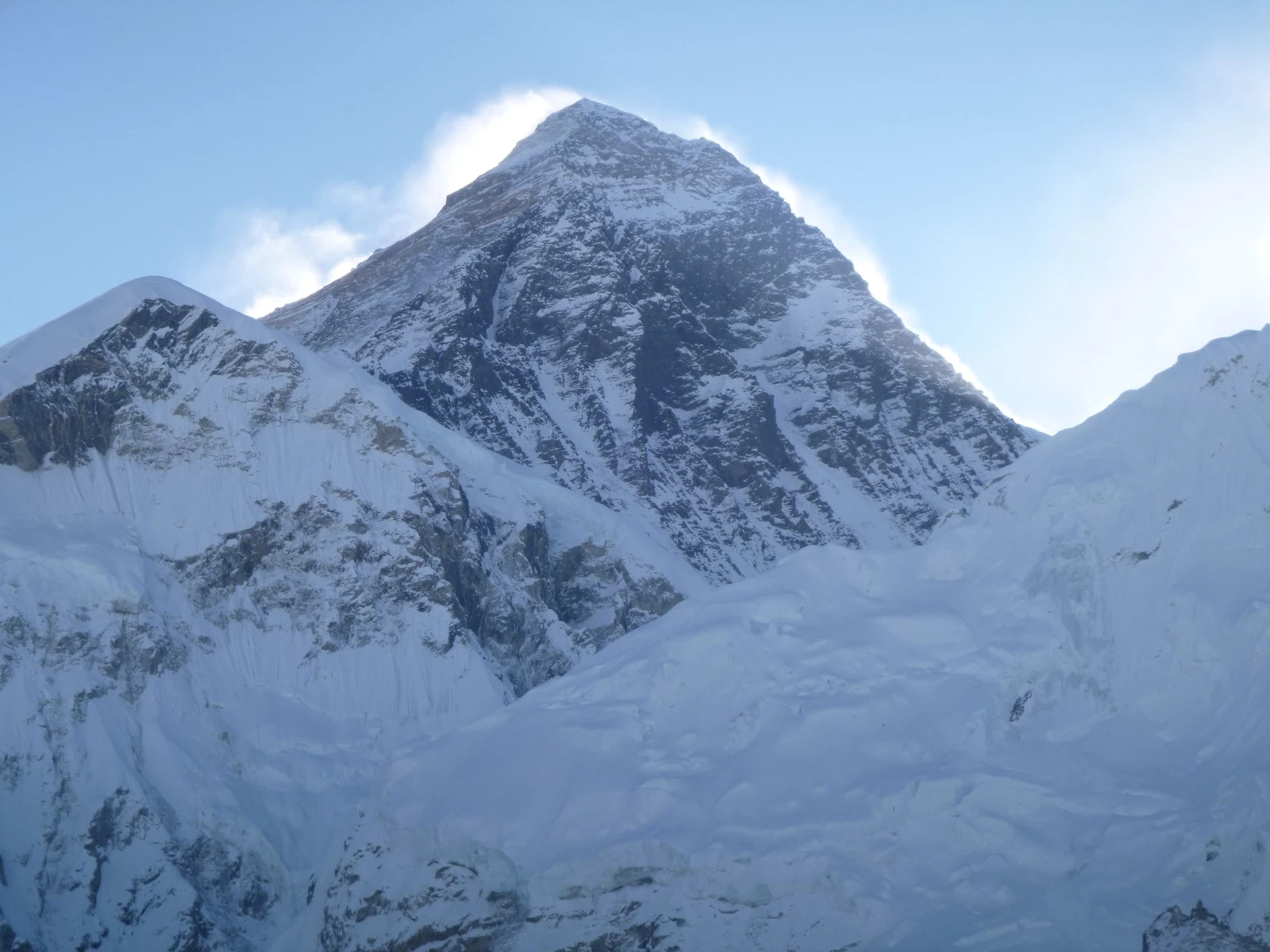
Everest Base Camp Trek
Fourteen days through Sherpa country to the foot of the highest mountain on earth, finishing at Kala Patthar (5,545 m) — which is where you actually see Everest.