What Teahouse Trekking in Nepal Is Really Like
Anos Tamang
Founder and trekking guide, Shamar Treks
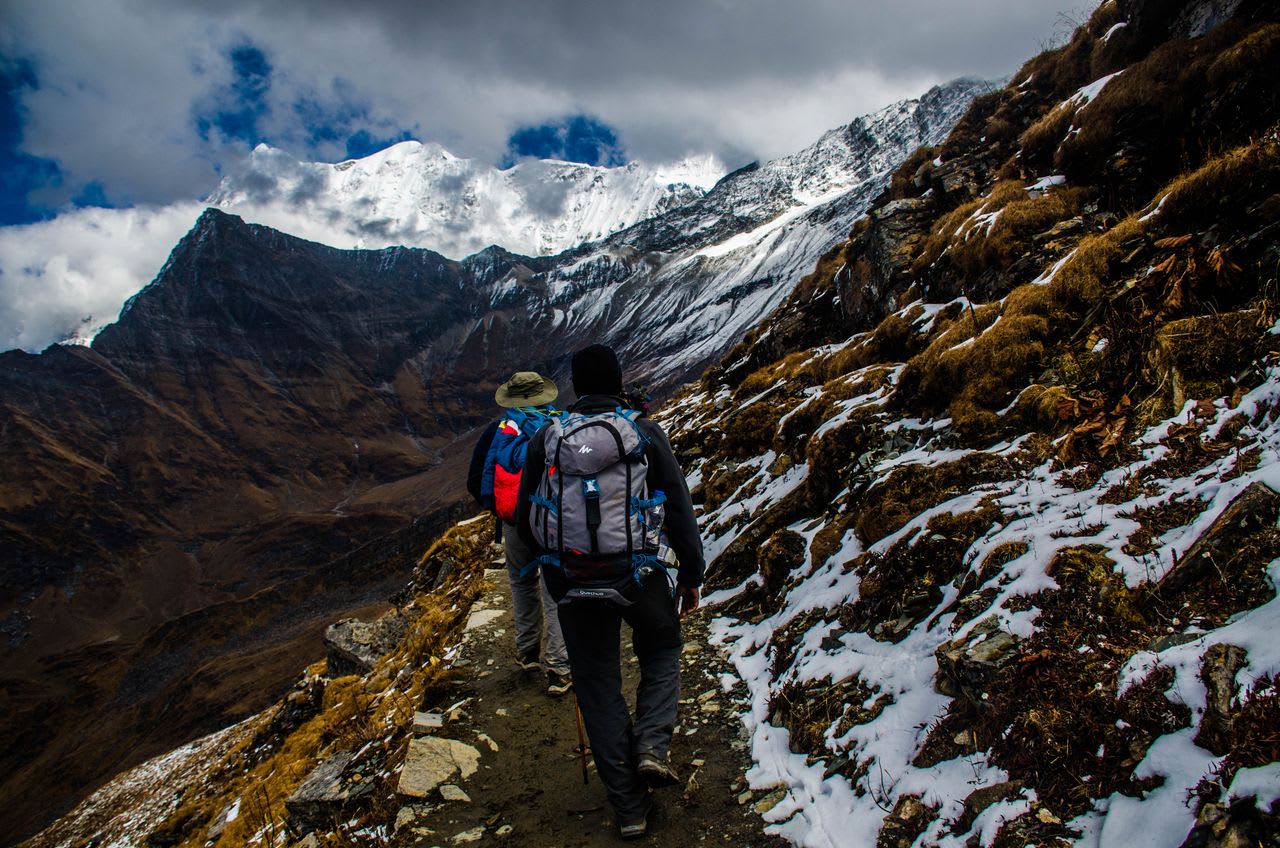
"Teahouse trekking" is the phrase every Nepal itinerary uses and almost none explains. It is the reason trekking here needs no tent and no cook on the main routes, and it is also the thing people are most often unprepared for. Here is what it actually means.
The basic arrangement
A teahouse is a family-run lodge on the trail: a few twin rooms, a shared bathroom, and a dining room that everybody sits in. You walk between them, arriving mid-afternoon, and you eat and sleep there.
The economics are worth understanding because they explain the etiquette. Rooms are cheap — sometimes nearly free — because the lodge makes its money on food. You are expected to eat dinner and breakfast where you sleep. Eating at one lodge and sleeping at another is poor form, and on a quiet route it is the difference between a lodge staying open and closing.
The room
A twin room with two single beds, a mattress, a pillow and blankets. Walls are usually plywood — you will hear your neighbours clearly, which is what the earplugs are for. There is a light, sometimes a socket, and no heating of any kind.
Lower down you may get an attached bathroom. Above roughly 3,500 m you will not, and the toilet is likely shared, often outside, and frequently a squat. In the highest lodges the water freezes overnight, which is why there is a bucket beside it.
Rooms are not lockable in a meaningful sense. Theft is genuinely rare, but keep your passport, cash and documents on you.
The dining room is the whole social life
It is the only heated space, and the stove — often burning yak dung higher up, as there is no wood — is lit in the evening, not in the afternoon. Everybody congregates there: trekkers, guides, porters, the family.
This is a large part of what makes teahouse trekking distinctive. You end up talking to people from six countries about the same pass, and to guides who have walked it two hundred times.
The food, and why everybody eats dal bhat
Dal bhat is rice, lentil soup, vegetable curry and pickle. It comes with free refills, it is what the family is cooking anyway, and it therefore arrives fresh and hot. There is a reason porters carrying 20 kg up a mountain eat it twice a day.
The menus also offer pizza, pasta, spring rolls, momos and apple pie. These are cooked occasionally, from ingredients that have been at altitude for a while, by someone who has probably never eaten the original. They are fine. They are not what to order at 4,900 m.
Two pieces of standing advice from every guide in Nepal: avoid meat above about 3,000 m, because it was carried up unrefrigerated over several days; and be wary of anything requiring fresh dairy or eggs at the highest lodges.
Order dinner when you arrive rather than at seven. One stove is cooking for everyone, and a late order means a long wait.
What costs extra
Even on a fully inclusive package, these are separate everywhere and they add up.
| Item | Notes |
|---|---|
| Hot shower | Often a bucket, or gas-heated. Unreliable above 4,000 m and sometimes simply unavailable |
| Charging | Per device, sometimes per hour. Solar higher up, so it fails after a cloudy day |
| Wifi | Sold per device, works intermittently |
| Bottled and boiled water | Bring treatment instead — cheaper, and several regions ban bottle sales |
| Snacks, chocolate, beer | Priced for the altitude they were carried to |
Prices roughly double between the trailhead and the highest lodge, and that is not gouging — everything arrived on a human back or a yak. Carry small notes; a lodge at 4,800 m cannot change a large one at seven in the morning.
How the standard changes with altitude and with route
Teahouses are not uniform. Three things move the standard:
- Altitude. Comfortable up to about 3,500 m, basic above it, rudimentary at the top.
- Traffic. The Everest and Annapurna main trails have the best lodges in Nepal — heated dining rooms, bakeries, attached bathrooms low down. A quiet route has one lodge with four rooms.
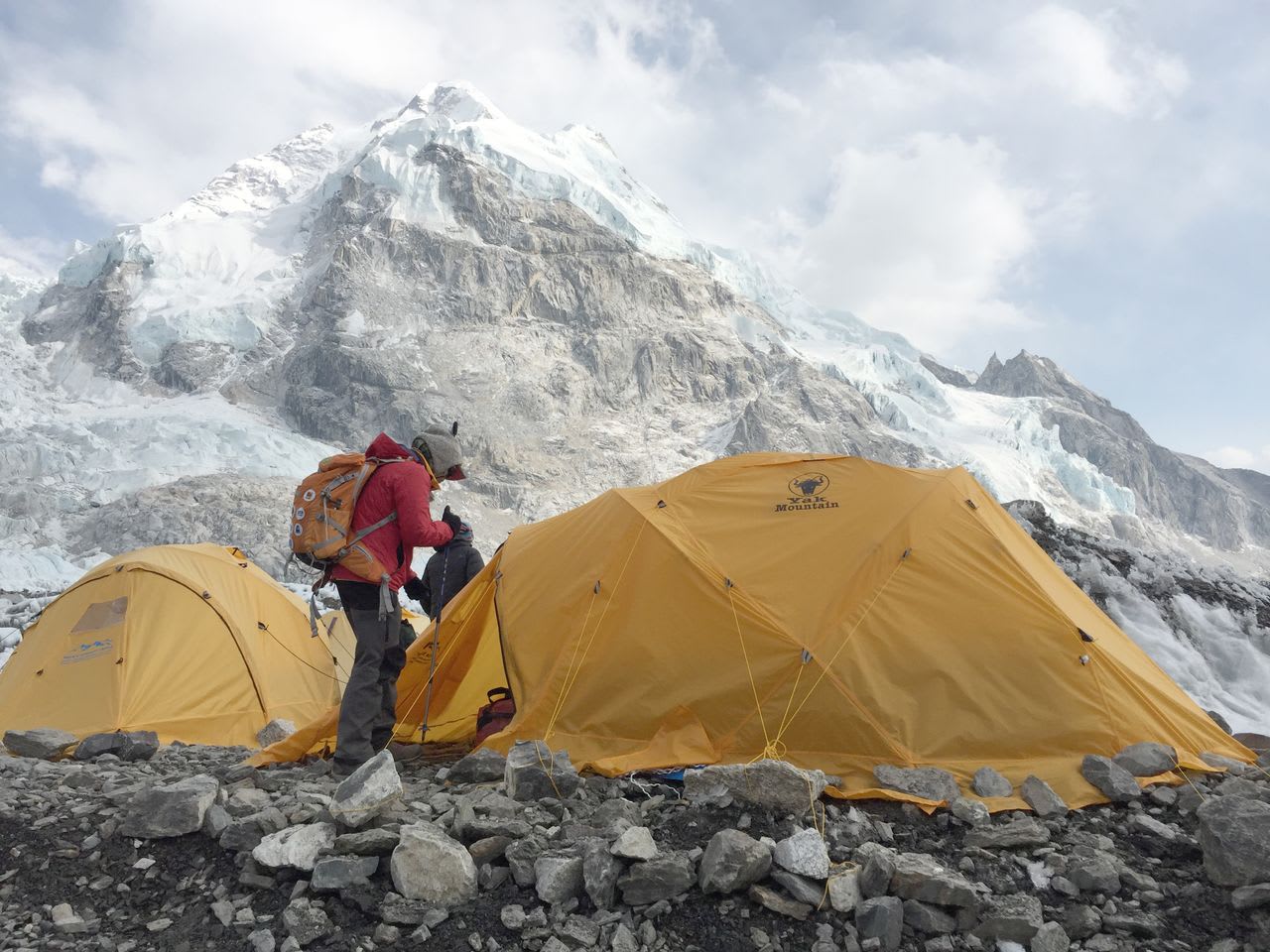
- Whether lodges exist at all. Some routes have none. Upper Dolpo and Dhaulagiri are camping expeditions with a cook and tents, and Ruby Valley is homestays in family houses.
Where beds run out
On a few specific routes in October, capacity is a real constraint rather than a theoretical one: Mardi Himal's High Camp, Lobuche and Gorak Shep on the Everest trail, Dobato on the Muldai route, and the kharka lodges above Sikles. These have a fixed and small number of beds and no alternative within reach.
This is the practical argument for booking through an operator on those routes — not comfort, but certainty.
Behaving well
- Eat where you sleep.
- Take your boots off at the door.
- Walk clockwise around mani walls and chortens, keeping them on your right.
- Ask before photographing people, and accept a refusal.
- Do not give sweets or money to children on the trail. It does real damage; give to the school or monastery instead.
- Your guide and porter eat and sleep at the same lodge. Their food and bed are part of what you have paid for — check they are getting it.
The honest summary
Teahouse trekking is not camping and it is not a hotel. It is simple, warm enough in the evening, social, and considerably more comfortable than most people expect at 4,000 m — provided you arrive expecting a plywood room, a shared toilet and one thing on the menu worth ordering.
What you get in exchange is walking through the highest mountains on earth carrying a daypack, and sleeping in the villages rather than beside them.
About Anos Tamang
Founder and trekking guide, Shamar Treks
Anos Tamang is the founder of Shamar Treks and a working trekking guide. He leads trips across Nepal's trekking regions and writes here about the practical side of them — routes, permits, seasons and the decisions that make the difference on the trail.