Food and Lodges on the Annapurna Base Camp Trek
Anos Tamang
Founder and trekking guide, Shamar Treks
Two questions we are asked more than almost any other, and the answers change as you climb. This is route-specific: for what teahouse trekking is like in general across Nepal, we have written that separately.
Why food gets more expensive every day you walk
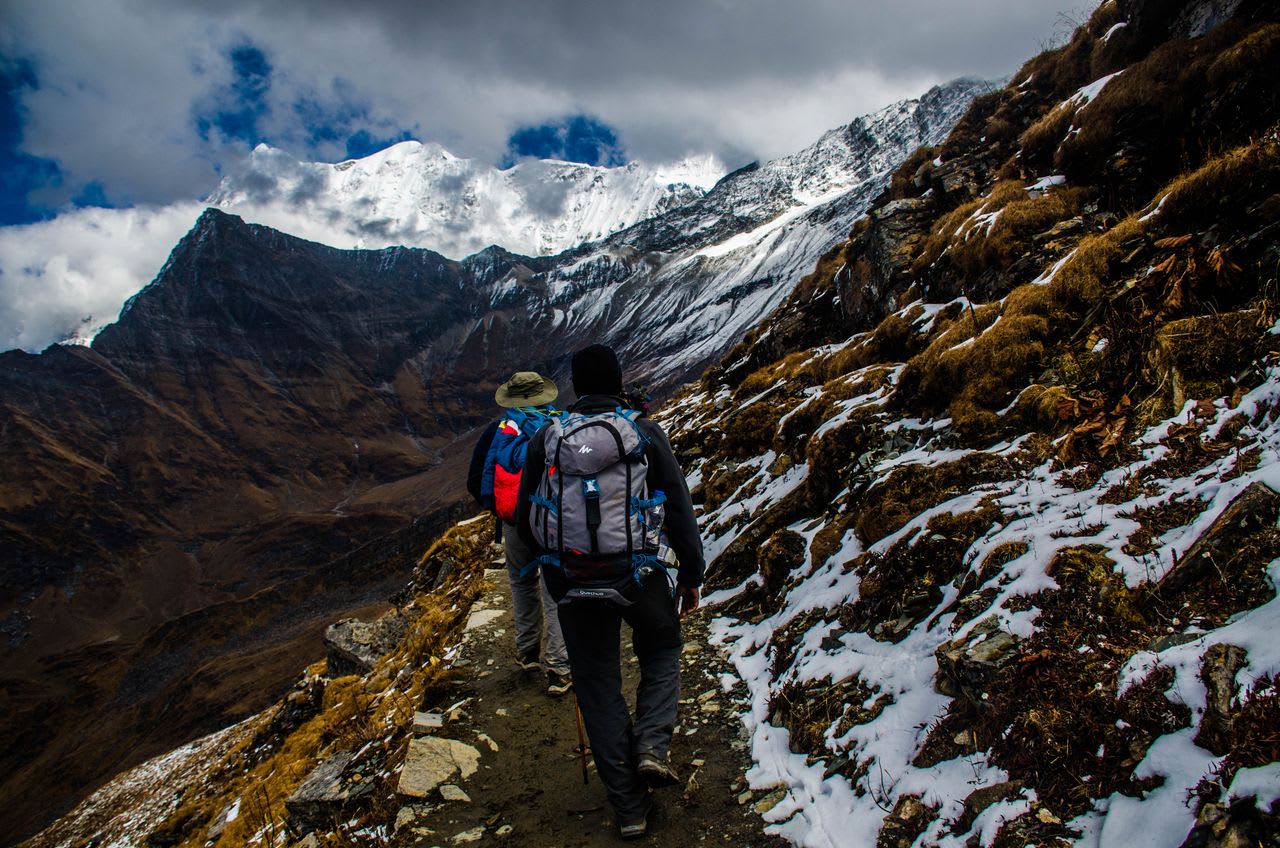
Start with the thing that explains everything else on this page. Nothing on this trail arrives by road above Siwai or Ghandruk. Every sack of rice, every gas cylinder, every egg at Base Camp has been carried up on somebody's back or a mule's.
There is a second multiplier most visitors never hear about: burning firewood is not permitted inside the Annapurna Sanctuary. Lodges above Chhomrong cook on gas, and that gas is carried. So the price of a meal is not markup — it is a porter's day, converted into calories.
Expect roughly this, as a multiple of a Pokhara price:
| Where | Altitude | Rough multiple of Pokhara |
|---|---|---|
| Ghandruk / Kimche | 1,640–1,940 m | 1.5× |
| Chhomrong | 2,170 m | 2× |
| Bamboo / Dovan | 2,310–2,600 m | 2.5× |
| Deurali | 3,230 m | 3× |
| MBC / Base Camp | 3,700–4,130 m | 3.5–4× |
Prices are set by lodge committees rather than invented per teahouse, so haggling is not a thing here and attempting it marks you out.
Dal bhat, and the economics of the refill
Dal bhat is rice, lentil soup, a curried vegetable, often a pickle and sometimes a greens dish. It is the thing to order, for a reason that is practical rather than romantic: it is refilled free until you stop eating, and almost nothing else on the menu is.
On a day where you climb 1,000 m, a single-serving plate of fried noodles is poor value and poor fuel. The guides eat dal bhat twice a day, every day, and they are the ones carrying more than you.
It is also the safest thing on any Nepali menu, because it is the dish the kitchen cooks constantly and in volume.
What else is actually on the menu
Lodge menus along this trail are long and largely aspirational. The reliable items:
- Fried rice and chow mein — dependable everywhere, single serving
- Thukpa and garlic soup — hot, salty, and genuinely useful at altitude
- Potatoes in several forms — grown locally, so cheaper and fresher than anything imported up the hill
- Porridge, eggs, Tibetan bread, chapati — the breakfast spine
- Apple pie in Chhomrong — which has a bakery reputation it mostly deserves
What to be cautious about: meat above Chhomrong. It has been carried, unrefrigerated, for a day or more. Many lodges handle it carefully and some do not, and the downside of being wrong at 3,700 m is a long way from help. Most experienced trekkers go vegetarian above Chhomrong without feeling deprived — the dal bhat is vegetarian anyway.
Water, which costs more than you think
Bottled water gets expensive quickly and leaves plastic in a conservation area that has no way to remove it. Boiled water is sold by the litre at most lodges and is cheaper.
The better answer is treatment — a filter bottle or purification tablets — and refilling. Over a week it saves a meaningful amount of money and a great deal of plastic. ACAP has worked hard to reduce bottled water in the conservation area and it is worth cooperating with.
Where you sleep, village by village
Accommodation on this route is not uniform. It degrades, deliberately and understandably, as you climb.
Chhomrong (2,170 m) — the last comfortable night
A substantial village with real lodges, hot showers that are reliably hot, shops that stock things you forgot, bakeries and views straight at Annapurna South. If you need to buy or replace anything, do it here. Above Chhomrong, the shops stop.
Bamboo, Dovan, Himalaya (2,310–2,900 m) — forest stops
Clusters of lodges in forest clearings rather than villages, built for trekkers because the walking distance demands a stop. Simple rooms, plywood partitions, no view at Bamboo whatsoever. Perfectly comfortable and entirely functional.
Deurali (3,230 m) — the last stop before the exposed section
Basic and cold, and significant because this is where the decision about the avalanche-prone stretch above gets made in the morning. Expect an early night and an early start.
MBC and Base Camp (3,700–4,130 m) — nobody lives here
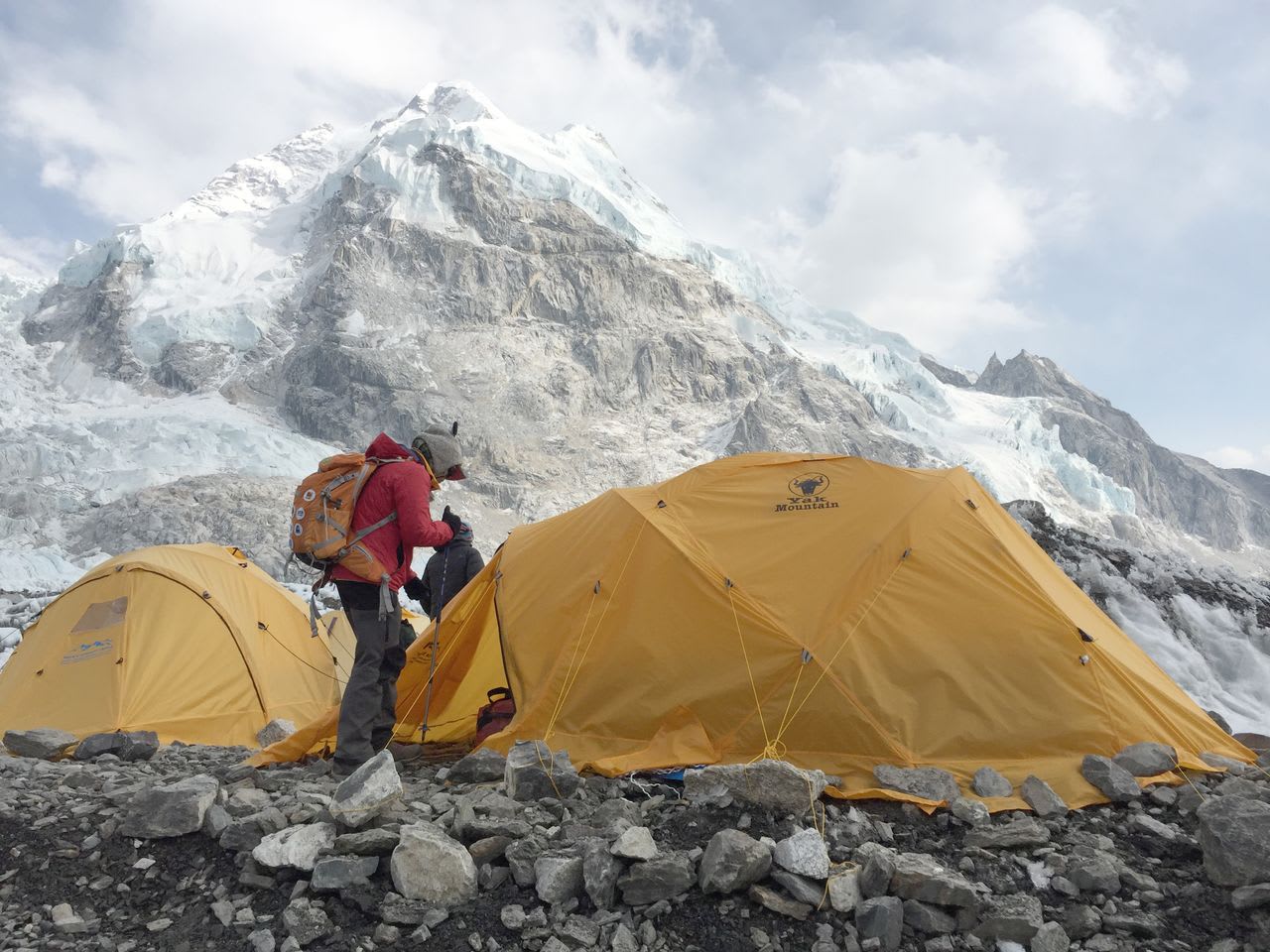
This surprises people. Machhapuchhre Base Camp and Annapurna Base Camp are not villages. They are small clusters of lodges built for the season, with no permanent population at all. Staff walk up in the autumn and come down after the spring, and in a bad winter the buildings take avalanche damage and are repaired before the next season.
Expect a plywood room, no heating anywhere except the stove in the dining room, a short menu, and the full set of paid extras. It is basic, and the compensation is that you are sleeping inside the Sanctuary, which is the entire reason for the trek.
The extras that add up
Almost everything beyond bed and meals is charged separately, and the charges rise with altitude along with everything else.
| Item | How it is charged | Note |
|---|---|---|
| Hot shower | Per shower | Gas-heated high up; sometimes solar and genuinely lukewarm |
| Device charging | Per device, per hour | Bring a power bank — it pays for itself by Deurali |
| Wifi | Per device | Slow and often not working above Deurali |
| Boiled water | Per litre | Cheaper than bottled, and no plastic |
Budget for these in cash. There are no card machines and no bank machines above Pokhara, and a surprising number of people discover this at Chhomrong.
Rooms, warmth and the dining room
Rooms are unheated everywhere on this trail. The dining room has the stove, which is lit in the evening, and that is where everyone sits — which is also why trekking in Nepal is sociable in a way that camping is not.
Twin rooms with a shared bathroom are the norm. In peak season at Base Camp, lodges fill and groups may share. A sleeping bag is not optional: see what the temperature actually does at 4,130 m.
What this means for your budget
Food and lodging is the part of a trek cost that scales with how long you walk and how high you sleep, which is why a seven-day trek to 4,130 m costs what it does. We have broken down the full numbers in what the Annapurna treks actually cost.
On our seven-day Annapurna Base Camp trek, all meals and all lodge nights are included, so the daily extras above are the only cash you need on the hill.
About Anos Tamang
Founder and trekking guide, Shamar Treks
Anos Tamang is the founder of Shamar Treks and a working trekking guide. He leads trips across Nepal's trekking regions and writes here about the practical side of them — routes, permits, seasons and the decisions that make the difference on the trail.