What a Nepal Trek Actually Costs
Where the money goes on a Nepal trek, what separates a cheap quote from an honest one, and what you still spend on the trail.
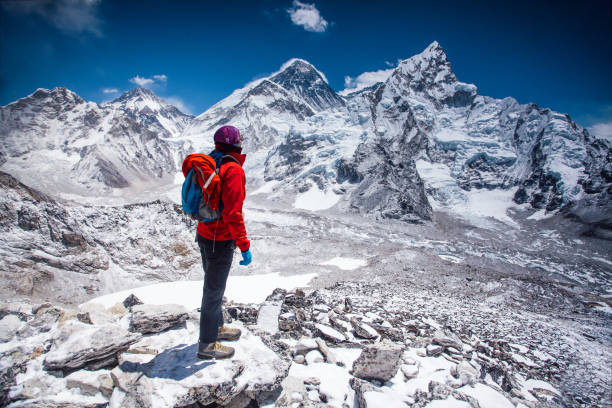
The same trek is advertised in Nepal at prices that differ by a factor of three. The itinerary is identical, the mountains are identical, and the difference is almost entirely in what has been left out of the cheap quote. Here is where the money actually goes.
What a trek price is made of
| Component | Notes |
|---|---|
| Permits | Fixed by government. Identical for every operator. On a restricted-area trek this can be the largest single line. |
| Transport to the trailhead | The biggest swing factor. A private jeep versus a shared local bus, or a flight versus two days of road. |
| Lodging | Cheap on the trail. Lodges make their margin on food, not beds. |
| Food | Three meals a day for the whole trek. Frequently excluded from budget quotes. |
| Guide | Wages, insurance, food, accommodation and equipment — the guide's costs are yours. |
| Porter | Optional, and the thing most worth adding. |
| Crew and camping | Only on routes with no lodges — Dolpo, Dhaulagiri, Api. Adds a cook, kitchen, tents and porters. |
The five things missing from a cheap quote
When you compare two prices, the only useful question is which of these the cheaper one covers.
- Lunch and dinner on trek. The single largest hidden cost. A quote covering "accommodation and breakfast" leaves you paying for two meals a day at altitude prices for a fortnight.
- Permits. Sometimes quoted separately and payable in Kathmandu.
- Private transport. Replaced by a public bus, which on the Syabrubesi or Machha Khola roads is a genuinely different experience.
- Guide insurance. Not paid at all, which is the real problem. A guide injured on a trek you are on, uninsured, is a situation nobody wants to be in.
- A licensed guide rather than a porter-guide. Cheaper, less qualified, and not what the regulations intend.
None of these is visible in a headline number, which is precisely why the headline numbers differ so much.
What drives price between regions
Two things: how far the trailhead is from a road, and whether the region is restricted.
- Annapurna foothills are the cheapest serious trekking in Nepal. Road access at both ends, short supply lines, a dense lodge network, and no flights.
- Everest costs more because of the Lukla flight and because every item in every lodge was carried from an airstrip.
- Restricted regions — Mustang, Manaslu, Tsum, Nar Phu, Kanchenjunga, Dolpo — carry permit fees an order of magnitude above the conservation-area ones, and a mandatory guide and second trekker.
- Camping routes — Dolpo, Dhaulagiri, Api — are the most expensive per day, because you bring the infrastructure with you: cook, kitchen crew, tents, and every day's food.
What you still spend on the trail
Even on an all-inclusive package, budget for the things no operator covers. They add up faster than people expect, and prices roughly double between the trailhead and the highest lodge because everything arrived on someone's back.
- Charging a phone or camera, usually billed per device per hour
- Hot water for washing, by the bucket
- Wifi, sold per device and working intermittently
- Bottled drinks, snacks, and a beer at the bottom
- Tips for the guide and porter
Carry it as cash, in small notes, taken out before you leave the last road town. There is no card payment anywhere on any trekking route in Nepal, and the last reliable cash machines are at Namche for the Khumbu and Pokhara for the Annapurnas.
On tipping
It is customary and it is genuinely part of the income rather than a bonus. There is no fixed rate; the useful framing is a proportion of the trip cost rather than a per-day figure, given as a group at the end, and handed to the guide and porters separately rather than in one lump.
Your guide will tell you honestly what is normal if you ask, and asking is not rude.
Where we would spend more, and where we would not
Worth paying for: a porter, which changes the trek more than any other single thing; a longer itinerary with proper acclimatisation days; private transport on the rough roads; and travel insurance that actually covers helicopter evacuation to the altitude you are going to.
Not worth paying for: upgraded lodges, which above about 3,500 m are the same building everywhere; renting boots; and any "guaranteed summit" or "guaranteed departure" language, which is selling you something nobody can deliver.
The honest bottom line
A well-run trek in Nepal is not expensive by international trekking standards, and the gap between a mid-priced operator and a budget one is mostly the guide's insurance, your meals and the days you needed for acclimatisation.
Every trip on this site quotes an all-in price with permits, meals, transport and a licensed insured guide included, and lists exactly what is excluded above the booking form. If a quote elsewhere is substantially cheaper, that list is where to look first.
Still have questions?
Send us a message and our Kathmandu team will get back to you by email.